
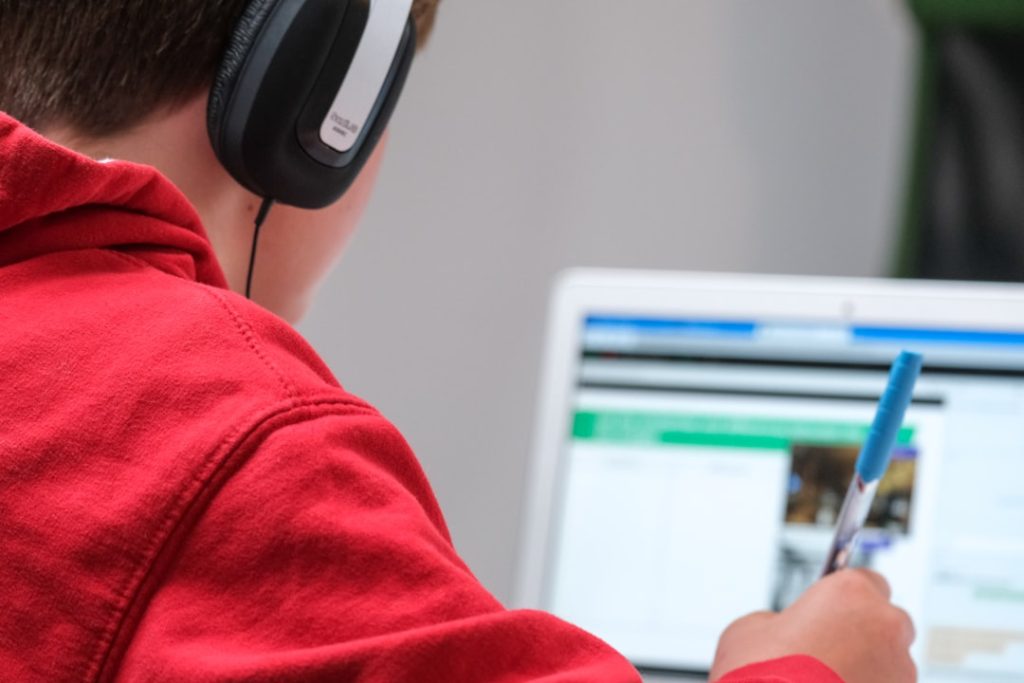
The advent of online learning has revolutionized the educational landscape, offering unprecedented flexibility that traditional classroom settings often cannot match. Students can tailor their study schedules to fit their personal and professional commitments, allowing them to learn at their own pace. This flexibility is particularly beneficial for adult learners who may be juggling work, family responsibilities, or other obligations.
For instance, a working professional can engage in coursework during evenings or weekends, making it feasible to pursue further education without sacrificing their job or personal life. Moreover, the asynchronous nature of many online courses allows students to revisit lectures and materials as needed. This self-paced approach enables learners to absorb complex concepts more thoroughly, as they can pause, rewind, or rewatch instructional videos.

For example, a student struggling with a particular mathematical concept can take the time to review the relevant video lectures multiple times until they feel confident in their understanding. This level of control over one’s learning process is a significant advantage that online education provides, fostering a more personalized and effective learning experience.
Key Takeaways
- Online learning offers flexible schedules that accommodate diverse lifestyles.
- A wide range of courses allows learners to pursue varied interests and goals.
- Personalized learning plans help tailor education to individual needs and pace.
- Online resources provide accessible materials for all types of learners.
- Engaging with a diverse student community enhances collaboration and cultural understanding.
Exploring the Variety of Courses Available

The range of courses available through online platforms is vast and diverse, catering to a wide array of interests and career aspirations. From traditional subjects like mathematics and history to niche areas such as digital marketing or sustainable agriculture, online learning platforms offer something for everyone. This extensive selection allows students to explore new fields or deepen their knowledge in specific areas without the constraints of geographical location or institutional offerings.
For instance, a student in a rural area may have access to specialized courses from prestigious universities that would otherwise be unavailable locally. Additionally, many online platforms collaborate with industry experts and leading institutions to provide cutting-edge content that reflects current trends and demands in the job market. This collaboration ensures that learners are not only gaining theoretical knowledge but also acquiring practical skills that are directly applicable in their chosen fields.
For example, platforms like Coursera and edX offer courses developed by top universities and companies, allowing students to learn from the best while also earning credentials that can enhance their resumes. The ability to choose from such a wide variety of courses empowers learners to take charge of their educational journeys and align their studies with their career goals.
Utilizing Personalized Learning Plans

Personalized learning plans are a cornerstone of effective online education, allowing students to customize their learning experiences based on individual needs, preferences, and goals. These plans often begin with an assessment of the learner’s current knowledge and skills, which helps identify areas for improvement and sets a foundation for future learning. For instance, an online platform might use diagnostic tests to gauge a student’s proficiency in a subject before recommending specific courses or resources tailored to their level.
Furthermore, personalized learning plans can adapt over time as students progress through their studies. As learners complete modules and demonstrate mastery of certain topics, the system can adjust the curriculum to introduce more advanced material or focus on areas where the student may still be struggling. This dynamic approach not only keeps students engaged but also ensures that they are continually challenged and supported throughout their educational journey.
By leveraging technology to create personalized pathways, online learning platforms can enhance student outcomes and foster a deeper understanding of the material.
Embracing the Accessibility of Online Resources
| Metric | Description | Value | Source/Year |
|---|---|---|---|
| Percentage of Websites Meeting Accessibility Standards | Proportion of websites compliant with WCAG 2.1 guidelines | 30% | WebAIM, 2023 |
| Increase in Online Resource Usage by People with Disabilities | Year-over-year growth in usage of accessible online resources | 15% | WHO, 2022 |
| Average Time Saved Using Accessible Online Tools | Time saved per user per week due to accessible design | 2 hours | Accessibility Insights, 2023 |
| Percentage of Educational Institutions Offering Accessible Online Materials | Institutions providing accessible digital learning content | 65% | EDU Accessibility Report, 2023 |
| User Satisfaction Rate with Accessible Online Resources | Percentage of users reporting positive experience | 85% | Survey by Inclusive Tech, 2023 |
One of the most significant advantages of online learning is the accessibility it offers to a wealth of resources that can enhance the educational experience. Students can access a plethora of materials, including e-books, research articles, video lectures, and interactive simulations, all from the comfort of their homes. This abundance of resources allows learners to delve deeper into subjects of interest and supplement their coursework with additional information that may not be available in traditional textbooks.
For example, a student studying environmental science might access real-time data on climate change trends through online databases, enriching their understanding of the topic. Moreover, online resources often come with built-in tools that facilitate collaboration and communication among students and instructors. Discussion forums, chat rooms, and collaborative projects enable learners to engage with peers from around the world, fostering a sense of community despite physical distances.
This connectivity not only enhances the learning experience but also encourages diverse perspectives and ideas that can lead to richer discussions and insights. The ability to tap into such a vast array of resources and connect with others globally is a hallmark of online education that significantly broadens the horizons for learners.
Adapting to Different Learning Styles
Recognizing that each student has a unique learning style is crucial in creating an effective educational environment. Online learning platforms often incorporate various instructional methods to cater to different preferences, ensuring that all students can engage with the material in ways that resonate with them. For instance, visual learners may benefit from video content and infographics, while auditory learners might prefer podcasts or recorded lectures.
Kinesthetic learners can engage with interactive simulations or hands-on projects that allow them to apply concepts in practical scenarios. Additionally, many online courses provide opportunities for self-directed learning, enabling students to choose how they engage with the content. This flexibility allows learners to experiment with different approaches until they find what works best for them.
For example, a student might start by watching video lectures but later discover that they retain information better through reading articles or participating in group discussions. By accommodating various learning styles and preferences, online education fosters an inclusive environment where all students have the opportunity to thrive.
Connecting with a Diverse Community of Students

Online learning transcends geographical boundaries, bringing together students from diverse backgrounds and cultures into a single virtual classroom. This diversity enriches the educational experience by exposing learners to different perspectives and ideas that they may not encounter in traditional settings. For instance, a group project might involve students from different countries collaborating on a case study, allowing them to share insights based on their unique cultural contexts and experiences.
Moreover, this global community fosters networking opportunities that can be invaluable for future career prospects. Students can connect with peers who share similar interests or career goals, potentially leading to collaborations or mentorship opportunities down the line. Online forums and social media groups dedicated to specific courses or fields of study further facilitate these connections, enabling students to build relationships that extend beyond the classroom.
The ability to engage with a diverse community not only enhances learning but also prepares students for working in increasingly globalized environments.
Balancing Academic and Extracurricular Activities
While academic success is often a primary focus for students engaged in online learning, it is equally important to maintain a balance with extracurricular activities that contribute to personal growth and development. Many online programs encourage students to participate in clubs, organizations, or volunteer opportunities that align with their interests and career aspirations. For example, an aspiring graphic designer might join an online design club where members share projects and provide feedback on each other’s work.
Engaging in extracurricular activities can also help students develop essential soft skills such as teamwork, leadership, and time management. These skills are crucial in today’s job market and can significantly enhance a student’s employability upon graduation. By participating in various activities outside of their academic coursework, students can cultivate a well-rounded skill set that prepares them for future challenges.
The flexibility of online learning allows for this balance; students can schedule their academic commitments around extracurricular pursuits without feeling overwhelmed.
Preparing for the Future with 21st Century Skills
In an ever-evolving job market characterized by rapid technological advancements and globalization, equipping students with 21st-century skills is paramount. Online learning environments are uniquely positioned to foster these skills through innovative teaching methods and collaborative projects. Critical thinking, creativity, communication, and collaboration are just a few examples of competencies that are increasingly sought after by employers across various industries.
For instance, many online courses incorporate project-based learning where students must work together to solve real-world problems or create tangible products. This hands-on approach not only reinforces subject matter knowledge but also cultivates essential skills such as problem-solving and teamwork. Additionally, exposure to digital tools and platforms during online coursework prepares students for the technological demands of modern workplaces.
By integrating 21st-century skills into the curriculum, online education equips learners with the tools they need to succeed in an increasingly complex world. In summary, online learning offers unparalleled flexibility and access to diverse resources while accommodating various learning styles and fostering connections among students worldwide. By embracing personalized learning plans and balancing academic pursuits with extracurricular activities, learners are well-prepared for future challenges in both their personal and professional lives.
As education continues to evolve in response to technological advancements and societal needs, online platforms will play an essential role in shaping the next generation of skilled professionals equipped for success in the 21st century.