
Enrolling in an electrician trade school offers numerous advantages for individuals seeking a stable and rewarding career in the electrical field. One of the most significant benefits is the focused and specialized training that these institutions provide. Unlike traditional four-year colleges, trade schools concentrate on practical skills and knowledge directly applicable to the job market.
This targeted approach allows students to acquire essential competencies in a shorter time frame, often completing their programs in as little as one to two years. As a result, graduates can enter the workforce more quickly, reducing the financial burden associated with prolonged education. Moreover, electrician trade schools often have strong connections with local employers and industry professionals.

This network can facilitate job placements and internships, giving students a foot in the door before they even graduate. Many programs also include job placement assistance, which can be invaluable in a competitive job market. The combination of practical training and industry connections not only enhances employability but also provides students with insights into current industry trends and demands, ensuring they are well-prepared for their future careers.
Key Takeaways
- Electrician trade schools provide essential skills and knowledge for a successful career in the electrical industry.
- Hands-on training and practical experience are crucial components of electrician education.
- Graduates have strong job prospects and opportunities for career advancement in a growing industry.
- Financial aid and scholarships are available to help students afford electrician trade school.
- Choosing the right trade school involves considering curriculum, training quality, and professional development options.
The Curriculum and Training at Electrician Trade School

The curriculum at electrician trade schools is designed to equip students with both theoretical knowledge and practical skills necessary for success in the electrical field. Courses typically cover a wide range of topics, including electrical theory, wiring methods, safety protocols, and local electrical codes. Students learn about various systems, such as residential, commercial, and industrial electrical installations, which broadens their understanding of the field.
Additionally, many programs incorporate advanced topics like renewable energy systems, smart home technology, and automation, reflecting the evolving nature of the industry. Hands-on training is a cornerstone of the electrician trade school experience. Students often engage in lab work where they can practice wiring circuits, installing fixtures, and troubleshooting electrical systems in a controlled environment.
This practical experience is crucial for building confidence and competence before entering the workforce. Many schools also offer apprenticeships or cooperative education opportunities that allow students to work alongside experienced electricians in real-world settings. This blend of classroom instruction and hands-on training ensures that graduates are not only knowledgeable but also skilled practitioners ready to tackle the challenges of their chosen profession.
Job Opportunities and Career Growth for Electricians
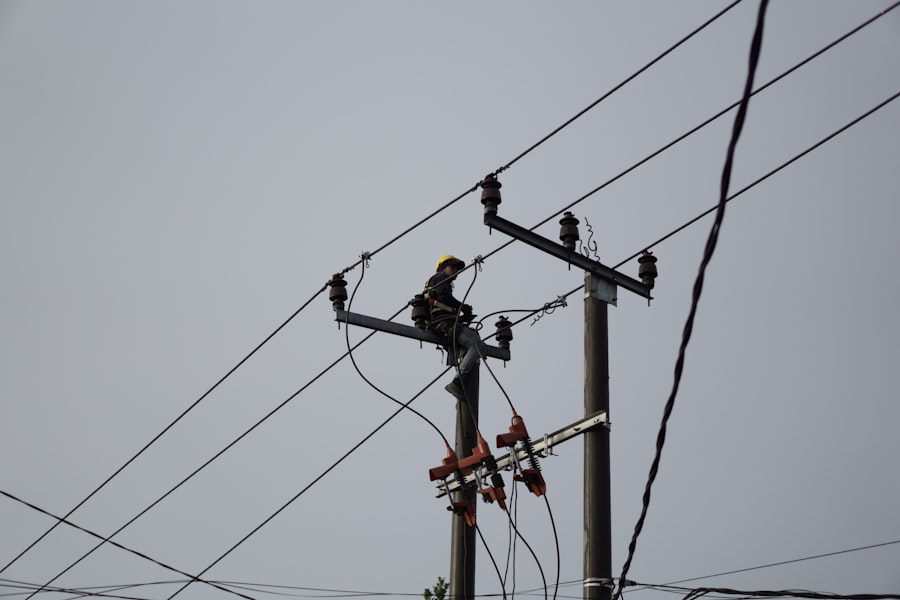
The job market for electricians is robust and continues to grow, driven by increasing demand for skilled tradespeople in various sectors. According to the U.S. Bureau of Labor Statistics, employment for electricians is projected to grow by 8% from 2019 to 2029, which is faster than the average for all occupations.
This growth is fueled by factors such as the ongoing need for electrical upgrades in aging buildings, the expansion of renewable energy sources, and the rise of smart technologies that require installation and maintenance. Electricians have diverse career paths available to them, ranging from residential electricians who work on home wiring projects to industrial electricians who maintain complex machinery in manufacturing settings. Additionally, many electricians choose to specialize in areas such as solar energy installation or electrical system design, which can lead to higher earning potential and job satisfaction.
With experience, electricians can also advance into supervisory roles or start their own contracting businesses, further enhancing their career prospects.
The Importance of Hands-On Experience in Electrician Trade School
| Metric | Value | Explanation |
|---|---|---|
| Percentage of Curriculum Dedicated to Hands-On Training | 60% | Majority of electrician trade school programs focus on practical skills to ensure job readiness. |
| Average Hours of Hands-On Practice per Student | 400 hours | Students typically spend hundreds of hours practicing wiring, circuitry, and safety protocols. |
| Job Placement Rate for Graduates with Hands-On Experience | 85% | Graduates with extensive practical training have higher employment rates post-graduation. |
| Employer Preference for Hands-On Trained Candidates | 90% | Most employers prioritize candidates with proven practical skills over theoretical knowledge alone. |
| Reduction in On-the-Job Training Time | 30% | Hands-on experience in school reduces the time needed for additional training after hiring. |
| Student Confidence Improvement After Hands-On Training | 75% | Students report significantly higher confidence in their skills after practical sessions. |
Hands-on experience is an integral component of electrician trade school programs, as it bridges the gap between theoretical knowledge and practical application. Engaging in real-world tasks allows students to develop critical problem-solving skills and gain confidence in their abilities. For instance, when students work on actual wiring projects or troubleshoot electrical issues during their training, they learn how to apply safety protocols effectively and understand the nuances of working with different materials and tools.
Furthermore, hands-on experience fosters a deeper understanding of electrical systems and their complexities. Students who participate in lab exercises or apprenticeships are better prepared to face challenges they may encounter on the job. They learn how to read blueprints, interpret technical specifications, and communicate effectively with clients and colleagues.
This experiential learning not only enhances technical skills but also cultivates essential soft skills such as teamwork, communication, and adaptability—qualities that are highly valued by employers in the electrical industry.
Financial Aid and Scholarships for Electrician Trade School
Pursuing an education at an electrician trade school can be a significant financial investment; however, various financial aid options are available to help alleviate this burden. Many trade schools offer scholarships specifically for students entering skilled trades programs. These scholarships can be merit-based or need-based and may cover a portion or all of tuition costs.
Additionally, some organizations and foundations provide scholarships aimed at promoting diversity within the trades, encouraging underrepresented groups to pursue careers in electrical work. In addition to scholarships, students may also qualify for federal financial aid programs such as Pell Grants or federal student loans. Completing the Free Application for Federal Student Aid (FAFSA) is a crucial step for prospective students seeking financial assistance.
Many trade schools also have financial aid offices that can guide students through the application process and help them explore all available funding options. By taking advantage of these resources, students can significantly reduce their out-of-pocket expenses and focus on their education without the added stress of financial constraints.
The Future of the Electrical Industry and the Role of Electricians

The electrical industry is undergoing significant transformations driven by technological advancements and changing energy demands. As society increasingly shifts towards renewable energy sources such as solar and wind power, electricians will play a pivotal role in installing and maintaining these systems. The integration of smart technologies into homes and businesses also presents new opportunities for electricians skilled in automation and energy management systems.
This evolution not only enhances job security but also opens doors for electricians to engage in innovative projects that contribute to sustainability efforts. Moreover, as electric vehicles become more prevalent, electricians will be essential in installing charging stations and ensuring that infrastructure keeps pace with this growing demand. The convergence of technology and electricity means that electricians must continually update their skills to remain competitive in the field.
Ongoing education and training will be crucial as new tools, techniques, and regulations emerge. Electricians who embrace lifelong learning will find themselves well-positioned to adapt to industry changes and seize new opportunities as they arise.
Networking and Professional Development Opportunities for Electricians
Networking is a vital aspect of career development for electricians, providing opportunities to connect with industry professionals, share knowledge, and explore job openings. Many electrician trade schools facilitate networking events where students can meet local employers, experienced electricians, and industry leaders. These events often include workshops, seminars, or job fairs that allow students to showcase their skills while gaining insights into current industry trends.
Professional organizations such as the National Electrical Contractors Association (NECA) or the International Brotherhood of Electrical Workers (IBEW) offer additional networking opportunities through conferences, training sessions, and local chapter meetings. Membership in these organizations can provide access to valuable resources such as continuing education courses, industry publications, and mentorship programs. By actively participating in these networks, electricians can build relationships that may lead to job opportunities or collaborations on projects while staying informed about advancements within the field.
How to Choose the Right Electrician Trade School for Your Career Goals
Selecting the right electrician trade school is a critical decision that can significantly impact one’s career trajectory. Prospective students should begin by researching various programs to understand their curriculum offerings, accreditation status, and overall reputation within the industry. Accreditation ensures that the school meets specific educational standards and that credits earned may be transferable if students choose to pursue further education later on.
Additionally, it is essential to consider factors such as location, cost, class size, and available resources when evaluating potential schools. Visiting campuses or attending open houses can provide valuable insights into the learning environment and facilities available to students. Prospective students should also seek feedback from alumni regarding their experiences with job placement assistance and overall satisfaction with their education.
By carefully weighing these factors against personal career goals—whether aiming for immediate employment or further specialization—students can make informed choices that align with their aspirations in the electrical field.