
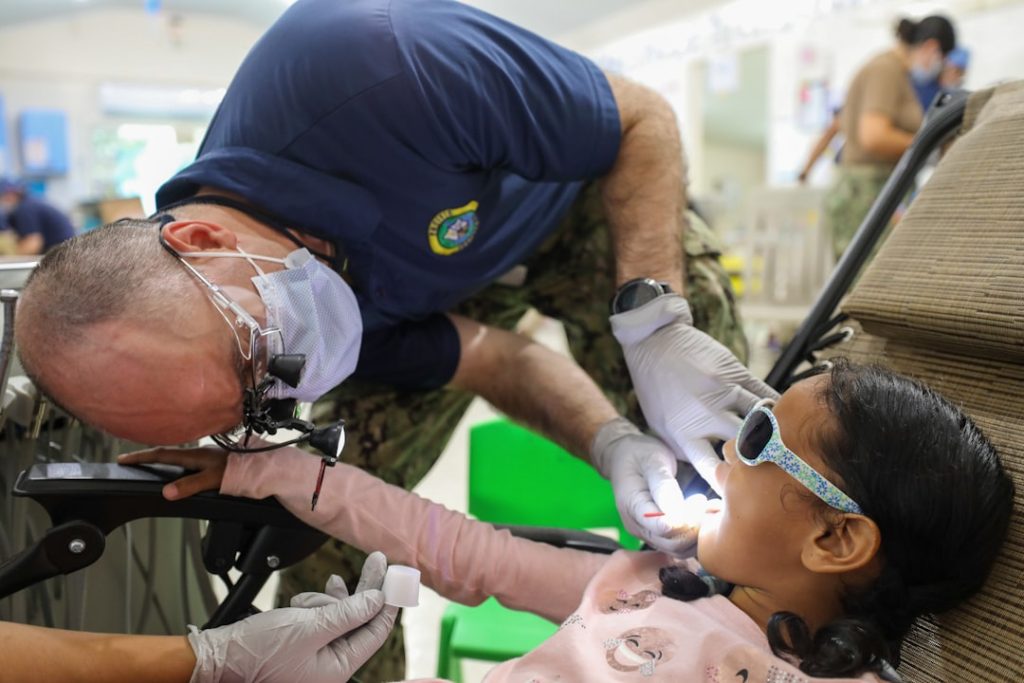
The admissions process for dental schools is a multifaceted journey that requires careful navigation and strategic planning. Each dental school may have its own unique set of requirements, but there are common elements that prospective students should be aware of. Typically, the process begins with the completion of a bachelor’s degree, during which students must fulfill specific prerequisite courses in biology, chemistry, physics, and mathematics.
These foundational courses are critical, as they not only prepare students for the rigors of dental education but also serve as a benchmark for admissions committees assessing academic readiness. In addition to academic qualifications, dental schools often place significant emphasis on the Dental Admission Test (DAT). This standardized test evaluates a candidate’s academic abilities and scientific knowledge, making it a crucial component of the application.

Beyond grades and test scores, admissions committees also look for well-rounded candidates who demonstrate a commitment to the field of dentistry through extracurricular activities, volunteer work, and relevant experiences. Understanding these components is essential for prospective students as they prepare their applications and position themselves as competitive candidates in a challenging admissions landscape.
Key Takeaways
- Understand each step of the dental school admissions process to navigate it effectively.
- Focus on building a solid academic record with relevant coursework.
- Gain practical experience through internships, volunteering, or shadowing dentists.
- Develop strong communication skills for interviews and patient interactions.
- Prepare thoroughly for the Dental Admission Test (DAT) and research schools to find the best fit.
Building a Strong Academic Foundation

A robust academic foundation is paramount for anyone aspiring to enter dental school. This foundation typically begins with a strong performance in high school, where students should focus on excelling in science and mathematics courses. Advanced Placement (AP) or International Baccalaureate (IB) programs can provide an added advantage, allowing students to earn college credits while demonstrating their ability to handle rigorous coursework.
Once in college, maintaining a high GPA is crucial, as dental schools often have minimum GPA requirements that applicants must meet or exceed. In addition to maintaining a strong GPA, students should seek out opportunities to engage in research or advanced coursework in the sciences. Participating in undergraduate research projects can deepen understanding of scientific principles and enhance critical thinking skills.
Furthermore, taking advanced courses in subjects such as biochemistry or anatomy can provide valuable insights that will be beneficial during dental school. By building a solid academic foundation, students not only prepare themselves for the challenges of dental education but also strengthen their applications by showcasing their commitment to academic excellence.
Gaining Relevant Experience

Gaining relevant experience is an essential aspect of preparing for dental school that goes beyond academic achievements. Prospective dental students should actively seek opportunities to immerse themselves in the field of dentistry through shadowing dentists, volunteering at clinics, or participating in dental outreach programs. Shadowing professionals allows students to observe the day-to-day responsibilities of dentists, providing invaluable insights into patient care and the various specialties within dentistry.
This firsthand experience can also help students determine which area of dentistry they may wish to pursue in the future. Volunteering at community health clinics or participating in dental missions can further enhance a student’s understanding of the profession while demonstrating a commitment to service. Engaging with diverse populations and addressing oral health disparities can provide a broader perspective on the importance of dentistry in public health.
Additionally, these experiences can serve as compelling narratives in personal statements and interviews, showcasing a candidate’s dedication to the field and their ability to connect with patients from various backgrounds.
Developing Strong Communication Skills
| Skill | Description | Measurement Metric | Typical Improvement Time | Tools/Methods |
|---|---|---|---|---|
| Active Listening | Ability to fully concentrate, understand, respond, and remember what is being said | Percentage of accurate message recall in feedback sessions | 4-6 weeks | Listening exercises, feedback sessions, mindfulness training |
| Clarity and Conciseness | Expressing ideas clearly and briefly without unnecessary information | Reduction in message length while maintaining comprehension (word count vs. understanding score) | 3-5 weeks | Writing practice, peer reviews, speech coaching |
| Nonverbal Communication | Use of body language, facial expressions, and gestures to support verbal messages | Observer rating scale on nonverbal cues effectiveness (1-10) | 6-8 weeks | Video recording analysis, role-playing, body language workshops |
| Empathy | Understanding and sharing the feelings of others to build rapport | Empathy score from peer and self-assessments (1-10) | 8-12 weeks | Perspective-taking exercises, emotional intelligence training |
| Public Speaking | Effectively delivering messages to an audience with confidence and engagement | Audience engagement rating and speech clarity score (1-10) | 10-14 weeks | Toastmasters, speech practice, video feedback |
| Feedback Reception | Ability to accept and use constructive criticism to improve communication | Improvement in communication skills post-feedback (%) | 4-6 weeks | Feedback sessions, coaching, reflective journaling |
Effective communication is a cornerstone of successful dental practice. Dentists must not only convey complex information to patients but also listen actively to their concerns and questions. Therefore, developing strong communication skills is essential for aspiring dental professionals.
Students can enhance these skills through various avenues, such as participating in public speaking courses, joining debate clubs, or engaging in community service that requires interaction with diverse groups. Moreover, honing interpersonal skills is equally important. Building rapport with patients is crucial for establishing trust and ensuring that they feel comfortable discussing their oral health concerns.
Role-playing exercises or mock patient interactions can provide valuable practice in navigating difficult conversations and delivering sensitive information with empathy and clarity. By prioritizing communication skills development, prospective dental students can position themselves as compassionate practitioners who are capable of fostering positive patient relationships.
Preparing for the Dental Admission Test (DAT)
The Dental Admission Test (DAT) is a pivotal component of the dental school admissions process, and thorough preparation is essential for achieving a competitive score. The DAT assesses knowledge in key areas such as biology, general chemistry, organic chemistry, perceptual ability, reading comprehension, and quantitative reasoning. To prepare effectively, students should create a structured study plan that allocates sufficient time for each subject area while incorporating practice tests to gauge progress.
Utilizing a variety of study resources can enhance preparation efforts. Many students benefit from DAT prep courses that offer comprehensive review materials and practice exams tailored to the test format. Additionally, online resources such as video tutorials and interactive quizzes can provide alternative methods for mastering challenging concepts.
Forming study groups with peers can also foster collaborative learning and accountability. By dedicating time and effort to DAT preparation, prospective dental students can significantly improve their chances of securing admission to their desired dental schools.
Researching and Applying to Dental Schools
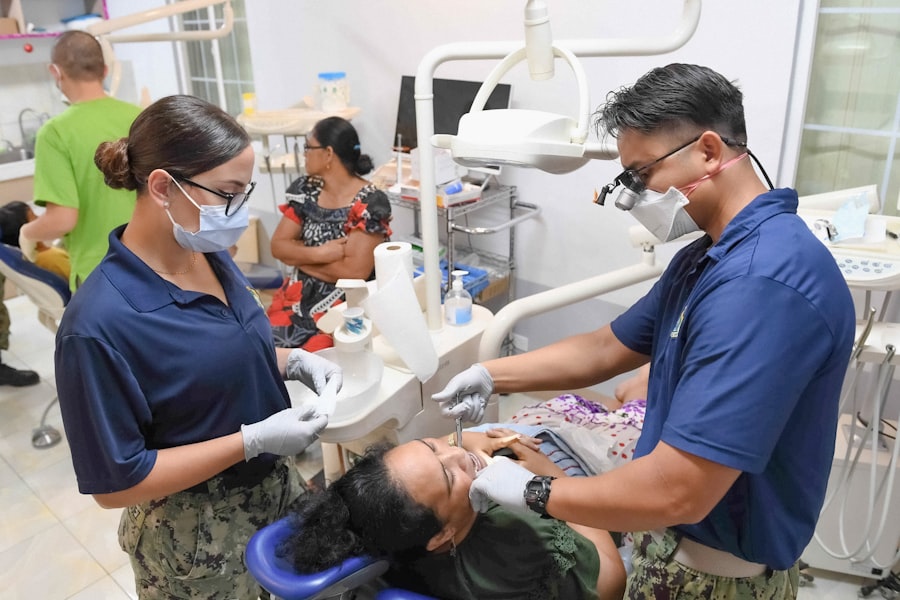
Researching potential dental schools is a critical step in the application process that requires careful consideration of various factors. Prospective students should evaluate each school’s curriculum, faculty expertise, clinical opportunities, and overall reputation within the field of dentistry. Additionally, understanding the school’s mission and values can help applicants identify institutions that align with their own professional goals and aspirations.
Once students have narrowed down their choices, they must prepare their applications meticulously. This includes crafting a compelling personal statement that reflects their passion for dentistry and highlights relevant experiences. Letters of recommendation from professors or dental professionals who can speak to the applicant’s qualifications are also vital components of the application package.
Attention to detail is crucial; ensuring that all application materials are submitted on time and meet each school’s specific requirements can make a significant difference in the admissions process.
Building a Support System
Navigating the path to dental school can be challenging, making it essential for prospective students to build a strong support system. This network may include family members, friends, mentors, and peers who can provide encouragement and guidance throughout the journey. Engaging with individuals who have experience in the field of dentistry can offer valuable insights into the realities of dental education and practice.
In addition to personal connections, joining pre-dental organizations or clubs at universities can foster camaraderie among like-minded individuals who share similar goals. These groups often provide resources such as workshops on application strategies, DAT preparation sessions, and networking opportunities with dental professionals. By cultivating a supportive environment, aspiring dental students can navigate challenges more effectively while maintaining motivation and focus on their goals.
Maintaining a Healthy Work-Life Balance
As prospective dental students embark on their journey toward admission, it is crucial to prioritize maintaining a healthy work-life balance. The demands of academic coursework, test preparation, and extracurricular activities can be overwhelming if not managed effectively. Establishing boundaries between study time and personal life is essential for preventing burnout and ensuring overall well-being.
Incorporating regular physical activity into daily routines can significantly contribute to stress management and mental clarity. Whether through exercise classes, outdoor activities, or simply taking walks, staying active helps maintain physical health while providing an outlet for stress relief. Additionally, setting aside time for hobbies or social activities allows students to recharge and maintain connections with friends and family.
By prioritizing self-care and balance throughout the admissions process, aspiring dental professionals can cultivate resilience and sustain their passion for dentistry as they move forward in their educational journey.
