
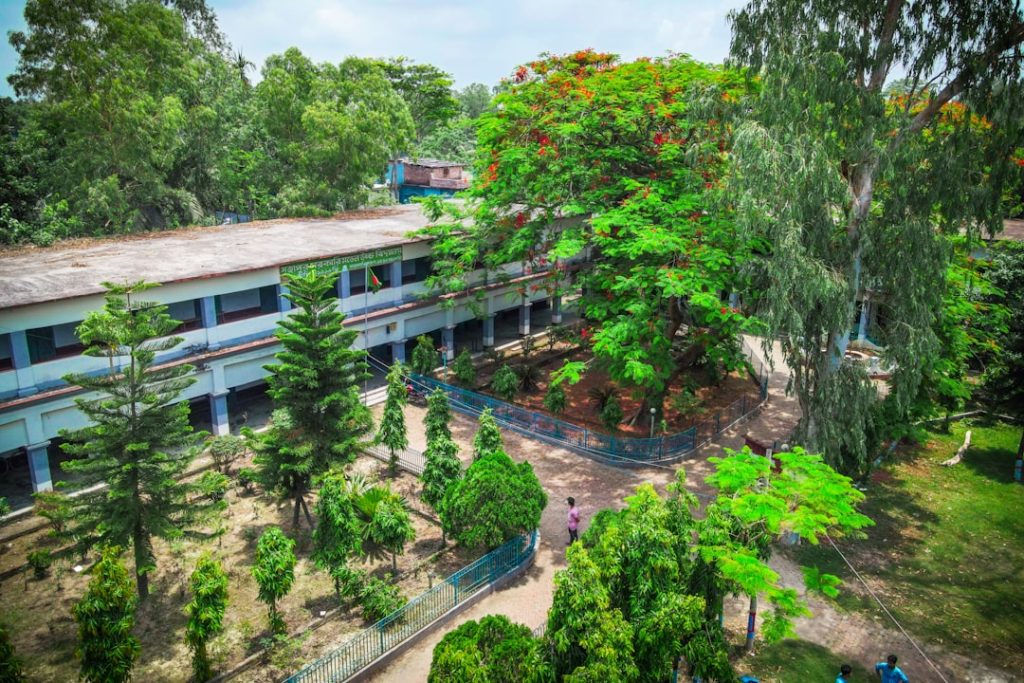
Secondary education serves as a pivotal stage in an individual’s academic journey, acting as a bridge between foundational learning and specialized career training. During these formative years, students are exposed to a diverse curriculum that not only imparts essential knowledge but also helps them identify their interests and strengths. This exposure is crucial as it lays the groundwork for future career choices.
For instance, students who engage in subjects like mathematics, science, and technology may discover a passion for engineering or computer science, while those who delve into the arts might find their calling in creative fields such as design or music. Moreover, secondary education often includes vocational training programs that provide students with practical skills directly applicable to the workforce. These programs can range from automotive repair to culinary arts, equipping students with hands-on experience that enhances their employability.

By integrating academic learning with practical applications, secondary education not only prepares students for higher education but also for immediate entry into the job market. This dual focus on academic and vocational training ensures that students are well-rounded and ready to tackle the challenges of their chosen career paths.
Key Takeaways
- Secondary education is crucial for shaping career paths and enhancing higher education prospects.
- It fosters critical thinking, problem-solving abilities, and essential marketable skills.
- Secondary education supports personal growth, social-emotional development, and a strong work ethic.
- It serves as a foundational stage for lifelong learning and continuous professional development.
- The experience gained during secondary education significantly influences both personal and professional success.
The Impact of Secondary Education on Higher Education Opportunities
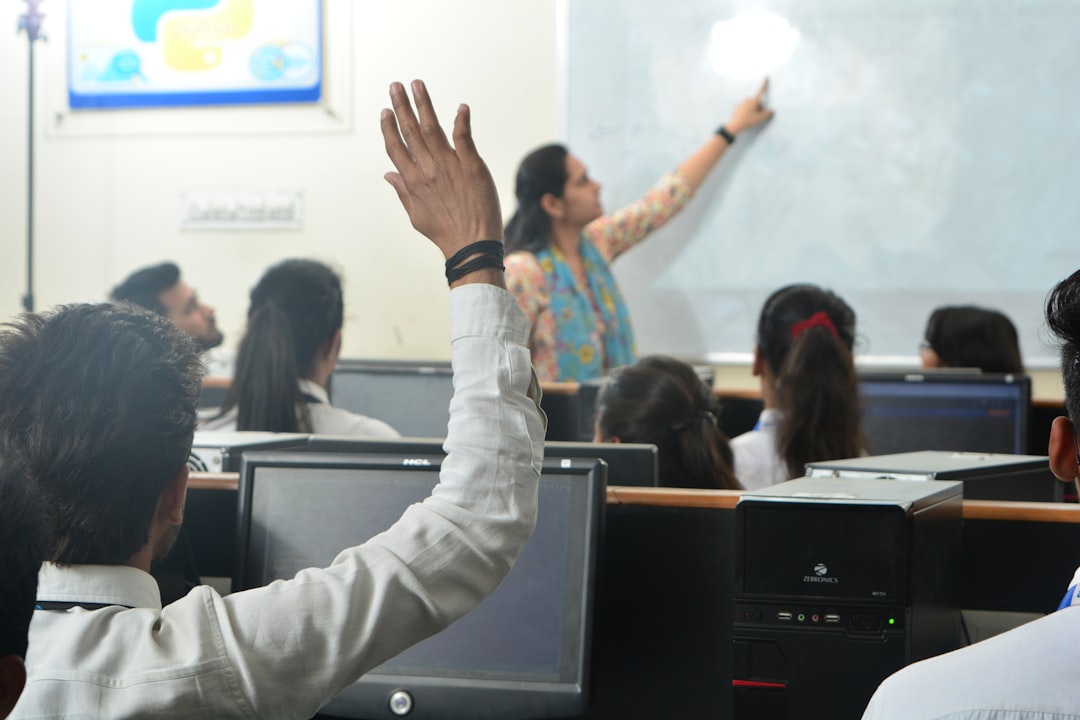
The transition from secondary education to higher education is a critical juncture that significantly influences a student’s future. Secondary education plays a vital role in shaping the academic readiness of students for college or university. High school curricula are designed to meet the prerequisites for higher education institutions, ensuring that students acquire the necessary knowledge and skills to succeed in more advanced studies.
For example, students who excel in advanced placement (AP) courses or International Baccalaureate (IB) programs often find themselves better prepared for the rigors of college coursework, which can lead to higher retention rates and academic success. Furthermore, secondary education provides students with opportunities to develop essential study habits and time management skills that are crucial for success in higher education. The experience of balancing multiple subjects, meeting deadlines, and preparing for exams fosters a sense of responsibility and discipline.
Additionally, involvement in extracurricular activities such as clubs, sports, or volunteer work during secondary education can enhance a student’s college application, showcasing their leadership abilities and commitment to personal growth. This holistic development not only opens doors to prestigious universities but also enriches the overall college experience.
Developing Critical Thinking and Problem-Solving Skills in Secondary Education
One of the most significant benefits of secondary education is its emphasis on developing critical thinking and problem-solving skills. As students progress through high school, they are encouraged to analyze information, evaluate different perspectives, and formulate reasoned arguments. This analytical approach is often fostered through project-based learning, debates, and collaborative group work, where students must navigate complex problems and devise effective solutions.
For instance, a science project that requires students to design an experiment not only teaches them scientific principles but also enhances their ability to think critically about variables and outcomes. Moreover, the integration of technology in secondary education has further amplified the development of these skills. With access to digital tools and resources, students can engage in research that requires them to sift through vast amounts of information, discern credible sources, and synthesize their findings into coherent presentations or reports.
This process not only sharpens their critical thinking abilities but also prepares them for real-world challenges where problem-solving is essential. In an increasingly complex world, these skills are invaluable as they empower students to approach issues with creativity and confidence.
The Importance of Secondary Education in Personal and Professional Growth
| Metric | Value | Relevance to Personal Growth | Relevance to Professional Growth |
|---|---|---|---|
| High School Graduation Rate | 85% | Builds foundational knowledge and self-discipline | Increases eligibility for higher education and jobs |
| Average Literacy Rate Among Secondary Graduates | 95% | Enhances communication and critical thinking skills | Improves workplace efficiency and adaptability |
| Percentage of Secondary Graduates Pursuing Higher Education | 60% | Encourages lifelong learning and personal development | Leads to specialized skills and better career opportunities |
| Employment Rate for Secondary Education Graduates | 75% | Boosts confidence and independence | Facilitates entry into skilled labor markets |
| Average Income Increase with Secondary Education | 30% higher than non-graduates | Improves quality of life and personal well-being | Provides financial stability and career advancement |
| Participation in Extracurricular Activities | 70% | Develops teamwork, leadership, and social skills | Enhances resume and professional networking |
Secondary education is not solely about academic achievement; it also plays a crucial role in fostering personal and professional growth. During these years, students undergo significant social development as they interact with peers from diverse backgrounds. This exposure helps them cultivate interpersonal skills such as communication, teamwork, and empathy—qualities that are essential in both personal relationships and professional environments.
For example, participating in group projects or school clubs allows students to learn how to collaborate effectively, resolve conflicts, and appreciate different viewpoints. Additionally, secondary education often encourages self-discovery and personal reflection. Through various courses and extracurricular activities, students have the opportunity to explore their interests and values, which can lead to greater self-awareness.
This journey of self-exploration is critical as it informs their future career choices and personal aspirations. Students who engage in community service or leadership roles often develop a sense of purpose and responsibility that extends beyond the classroom, shaping them into conscientious citizens who are prepared to contribute positively to society.
Secondary Education as a Foundation for Lifelong Learning
The concept of lifelong learning is increasingly recognized as essential in today’s rapidly changing world. Secondary education lays the groundwork for this ongoing educational journey by instilling a love for learning and the skills necessary to pursue knowledge independently. Students are encouraged to adopt a growth mindset, where challenges are viewed as opportunities for development rather than obstacles.
This mindset is cultivated through various learning experiences that promote curiosity and resilience. Moreover, secondary education introduces students to a variety of subjects and disciplines, allowing them to discover new interests that may lead them to pursue further education or training later in life. For instance, a student who develops an interest in environmental science during high school may choose to study sustainability in college or engage in community initiatives focused on conservation.
By fostering an environment where inquiry is valued and exploration is encouraged, secondary education equips students with the tools they need to navigate their educational paths long after they leave the classroom.
The Influence of Secondary Education on Social and Emotional Development
The social and emotional development of adolescents is profoundly influenced by their experiences in secondary education. High school serves as a microcosm of society where students learn to navigate complex social dynamics, build relationships, and develop emotional intelligence. The interactions they have with peers and educators contribute significantly to their understanding of themselves and others.
For example, participating in team sports or drama clubs fosters camaraderie and teaches students how to manage both success and failure within a group context. Additionally, secondary education often provides resources such as counseling services that support students’ mental health and emotional well-being. Schools may offer programs focused on stress management, conflict resolution, and self-care strategies that empower students to cope with the pressures of adolescence.
These initiatives not only help students develop resilience but also promote a culture of empathy and support within the school community. As students learn to express their emotions constructively and understand the feelings of others, they become more equipped to handle interpersonal relationships both during their school years and beyond.
Secondary Education and the Acquisition of Marketable Skills
In today’s competitive job market, the acquisition of marketable skills during secondary education is more important than ever. Schools are increasingly recognizing the need to equip students with practical skills that align with industry demands. This shift has led to the integration of career-oriented programs that focus on developing competencies such as digital literacy, communication skills, and technical expertise.
For instance, courses in coding or graphic design not only provide students with valuable knowledge but also enhance their employability upon graduation. Moreover, internships and work-study programs offered through secondary education allow students to gain real-world experience while still in school. These opportunities enable them to apply what they have learned in the classroom to actual job settings, providing insights into various career paths.
By engaging with professionals in their fields of interest, students can build networks that may prove beneficial when seeking employment after graduation. The emphasis on marketable skills ensures that graduates are not only academically prepared but also ready to meet the expectations of employers.
The Role of Secondary Education in Building a Strong Work Ethic
A strong work ethic is a cornerstone of professional success, and secondary education plays a crucial role in instilling this value in students. Through rigorous academic expectations and extracurricular commitments, high school teaches students the importance of dedication, perseverance, and accountability. For example, managing multiple assignments while participating in sports or clubs requires effective time management skills and a commitment to excellence—traits that are highly valued by employers.
Furthermore, secondary education often emphasizes the importance of setting goals and working towards achieving them. Students learn to prioritize tasks, meet deadlines, and take responsibility for their actions—skills that translate directly into the workplace. Teachers frequently encourage students to reflect on their progress and celebrate their achievements, reinforcing the idea that hard work leads to success.
This cultivation of a strong work ethic not only prepares students for future employment but also fosters a sense of pride in their accomplishments that can motivate them throughout their lives.