

Higher education serves as a cornerstone for individual and societal advancement, providing a structured environment where knowledge is cultivated and critical thinking is honed. It is not merely a pathway to obtaining a degree; it is an opportunity for intellectual exploration and personal development. The pursuit of higher education encourages individuals to engage with complex ideas, challenge their assumptions, and develop a nuanced understanding of the world around them.
This intellectual rigor fosters a culture of inquiry that is essential for innovation and progress in various fields. Moreover, higher education plays a pivotal role in shaping informed citizens who can contribute meaningfully to democratic processes and societal well-being. By exposing students to diverse perspectives and encouraging them to engage in discourse, higher education cultivates a sense of civic responsibility.

Graduates are often more likely to participate in community service, vote in elections, and advocate for social justice issues. This engagement is crucial in fostering a society that values critical thought and active participation in governance, ultimately leading to a more informed and engaged populace.
Key Takeaways
- Higher education significantly enhances career opportunities and personal development.
- It contributes positively to societal progress and economic growth.
- Overcoming financial and social challenges is crucial for accessing higher education.
- Embracing diversity and inclusivity enriches the educational experience.
- Technological advancements are shaping the future trends and innovations in higher education.
The Impact of Higher Education on Career Opportunities
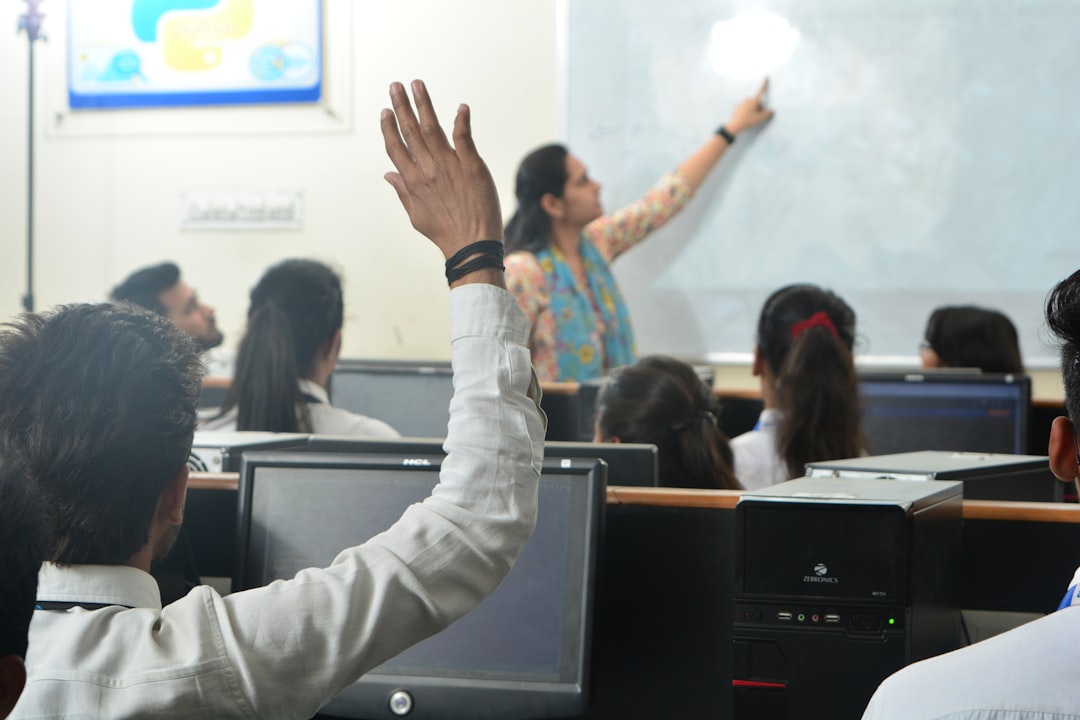
The correlation between higher education and career opportunities is well-documented, with numerous studies indicating that individuals with advanced degrees tend to have better job prospects and higher earning potential. For instance, according to the U.S. Bureau of Labor Statistics, individuals with a bachelor’s degree earn approximately 66% more than those with only a high school diploma.
This wage gap underscores the economic advantages that come with higher education, making it a significant factor in career advancement. In addition to financial benefits, higher education often opens doors to specialized fields that require advanced knowledge and skills. Professions such as medicine, engineering, and academia necessitate rigorous training and education beyond the undergraduate level.
For example, aspiring doctors must complete medical school and residency programs, while engineers often pursue advanced degrees to stay abreast of technological advancements. These educational pathways not only equip individuals with the necessary expertise but also enhance their employability in competitive job markets.
The Role of Higher Education in Personal Growth and Development

Beyond career prospects, higher education is instrumental in fostering personal growth and development. The college experience often serves as a transformative period where individuals learn to navigate new environments, manage their time effectively, and develop interpersonal skills. Living away from home, engaging with peers from diverse backgrounds, and participating in extracurricular activities contribute to a holistic development that extends beyond academic learning.
Furthermore, higher education encourages self-discovery and the exploration of one’s interests and passions. Students are often exposed to a variety of disciplines, allowing them to identify their strengths and weaknesses while cultivating a sense of purpose. This exploration can lead to lifelong learning habits and an appreciation for knowledge that transcends formal education.
The ability to think critically, communicate effectively, and adapt to new situations are invaluable skills that contribute to personal fulfillment and resilience throughout life.
The Benefits of Higher Education for Society
| Benefit | Metric | Impact on Society |
|---|---|---|
| Increased Employment Rates | Higher education graduates have an unemployment rate of 2.2% compared to 5.5% for non-graduates | Reduces unemployment and increases economic stability |
| Higher Earnings | Graduates earn approximately 65% more over their lifetime than those without a degree | Boosts consumer spending and tax revenues |
| Improved Health Outcomes | College graduates are 25% more likely to report good health | Reduces healthcare costs and increases productivity |
| Lower Crime Rates | Higher education is associated with a 20% reduction in criminal activity | Enhances community safety and reduces law enforcement costs |
| Civic Engagement | Graduates are 30% more likely to vote and participate in community service | Strengthens democratic processes and social cohesion |
| Innovation and Research | Universities contribute to over 50% of national research and development output | Drives technological advancement and economic growth |
The societal benefits of higher education extend far beyond individual gain; they encompass economic growth, social mobility, and cultural enrichment. A well-educated workforce is essential for driving innovation and productivity within an economy. Countries with higher levels of educational attainment tend to experience lower unemployment rates and greater economic stability.
For instance, nations like Finland and Germany have robust vocational training programs that not only prepare individuals for the workforce but also contribute to national economic success. Moreover, higher education promotes social mobility by providing opportunities for individuals from diverse backgrounds to improve their circumstances. Scholarships, grants, and financial aid programs are designed to make higher education accessible to underrepresented populations, thereby reducing income inequality.
When individuals from disadvantaged backgrounds attain higher education, they are more likely to uplift their families and communities, creating a ripple effect that benefits society as a whole.
Overcoming Challenges in Pursuing Higher Education
Despite the numerous advantages associated with higher education, many individuals face significant challenges in their pursuit of academic goals. Financial barriers remain one of the most pressing issues, as tuition costs continue to rise at alarming rates. Students often graduate with substantial debt burdens that can hinder their financial stability for years to come.
Addressing these challenges requires systemic changes in funding models, increased availability of scholarships, and innovative solutions such as income-share agreements that allow students to pay for their education based on future earnings. Additionally, non-traditional students—those who may be returning to school after years in the workforce or balancing family responsibilities—often encounter unique obstacles. These individuals may struggle with time management or feel out of place in traditional academic settings.
Institutions must recognize these challenges and provide tailored support services such as flexible scheduling, online courses, and mentorship programs that cater to diverse student needs. By fostering an inclusive environment that acknowledges the varied experiences of students, higher education institutions can help more individuals successfully navigate their academic journeys.
The Diversity and Inclusivity in Higher Education

Diversity and inclusivity are essential components of a thriving higher education environment. A diverse student body enriches the learning experience by bringing together individuals from various cultural, ethnic, and socioeconomic backgrounds. This diversity fosters a broader range of perspectives and ideas, encouraging students to engage in meaningful discussions that challenge their viewpoints.
For example, research has shown that diverse teams are more innovative and effective at problem-solving due to the variety of experiences they bring to the table. However, achieving true inclusivity requires intentional efforts from educational institutions. This includes implementing policies that promote equitable access to resources and support systems for all students.
Programs aimed at recruiting underrepresented groups can help create a more balanced demographic within universities. Additionally, fostering an inclusive campus culture involves training faculty and staff on cultural competency and creating safe spaces where all students feel valued and respected. By prioritizing diversity and inclusivity, higher education institutions can cultivate an environment where every student has the opportunity to thrive.
The Role of Technology in Higher Education
Technology has revolutionized the landscape of higher education, transforming how students learn and interact with course material. Online learning platforms have made education more accessible than ever before, allowing individuals from various geographical locations to pursue degrees without the constraints of traditional classroom settings. For instance, Massive Open Online Courses (MOOCs) have democratized access to high-quality educational resources from prestigious institutions like Harvard and Stanford, enabling learners worldwide to benefit from expert instruction.
Moreover, technology enhances the learning experience through interactive tools that promote engagement and collaboration among students. Virtual reality (VR) simulations can provide immersive learning experiences in fields such as medicine or engineering, allowing students to practice skills in a safe environment before entering real-world scenarios. Additionally, data analytics can help educators tailor their teaching methods to meet the needs of individual students by identifying areas where they may be struggling.
As technology continues to evolve, its integration into higher education will likely lead to even more innovative approaches to teaching and learning.
The Future of Higher Education: Trends and Innovations
As we look toward the future of higher education, several trends and innovations are poised to reshape the landscape significantly. One notable trend is the increasing emphasis on interdisciplinary studies that combine multiple fields of knowledge. As complex global challenges arise—such as climate change or public health crises—there is a growing recognition that solutions often require collaboration across disciplines.
Institutions are beginning to offer programs that encourage students to explore intersections between fields like environmental science, policy studies, and economics. Additionally, there is a shift toward competency-based education (CBE), which focuses on students demonstrating mastery of specific skills rather than adhering strictly to traditional credit-hour requirements. This approach allows learners to progress at their own pace, accommodating diverse learning styles and life circumstances.
As employers increasingly seek candidates with practical skills rather than just degrees, CBE offers a promising alternative that aligns educational outcomes with workforce needs. In conclusion, the future of higher education will likely be characterized by greater flexibility, inclusivity, and responsiveness to societal demands. As institutions adapt to these changes, they will play an essential role in preparing individuals not only for successful careers but also for active participation in an ever-evolving world.