
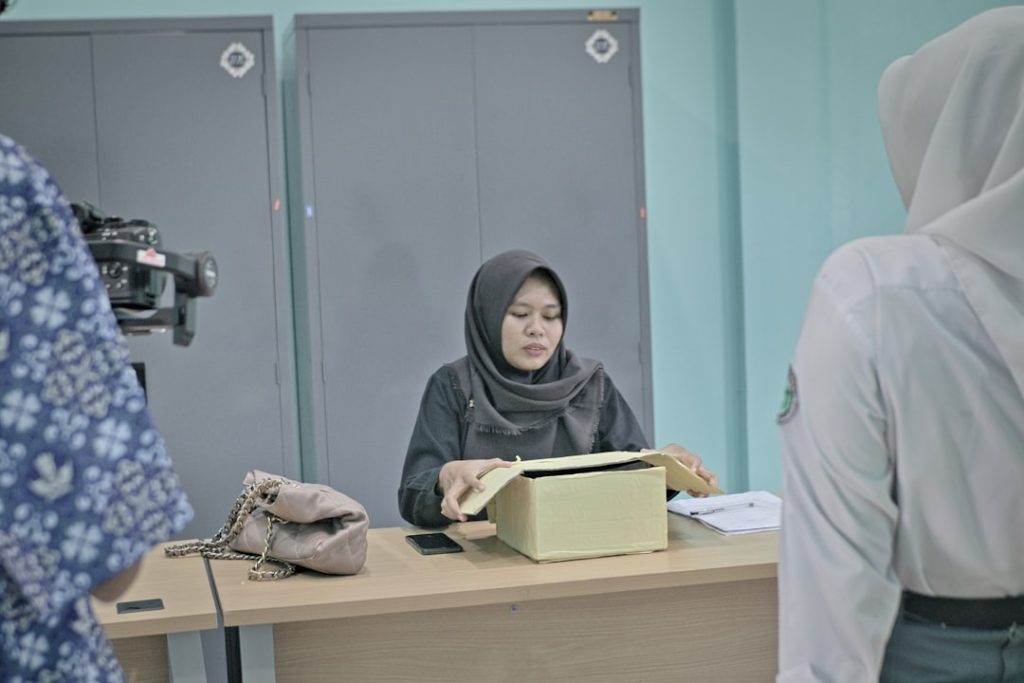
Teacher record keeping is a fundamental aspect of the educational process that often goes unnoticed by those outside the profession. It serves as a critical tool for educators to monitor student progress, assess learning outcomes, and tailor instruction to meet individual needs. By maintaining accurate and comprehensive records, teachers can identify trends in student performance, which can inform their teaching strategies and interventions.
This practice not only enhances the learning experience for students but also fosters a culture of accountability within the educational environment. Moreover, effective record keeping is essential for compliance with educational standards and regulations. Schools and districts often require documentation of student performance for various purposes, including funding allocations, accreditation processes, and reporting to stakeholders.

Teachers who maintain thorough records contribute to the overall integrity of the educational system, ensuring that data is available for analysis and decision-making. This transparency is vital for building trust among parents, administrators, and the community at large, as it demonstrates a commitment to student success and educational excellence.
Key Takeaways
- Accurate record keeping is essential for effective teaching and student success.
- Teachers should track various data types, including attendance, grades, and behavior.
- Implementing organized and consistent strategies enhances record keeping efficiency.
- Data analysis helps tailor instruction to meet individual student needs.
- Maintaining data privacy and security is crucial when handling student information.
Types of Data to Track

The types of data that teachers should track can vary widely depending on the educational context, grade level, and specific goals of the curriculum. Academic performance data is perhaps the most obvious category, encompassing grades, test scores, and assignment completion rates. This quantitative data provides a snapshot of student achievement and can highlight areas where students excel or struggle.
For instance, a teacher might notice that a significant number of students are underperforming in mathematics assessments, prompting a review of instructional methods or additional support for those learners. In addition to academic performance, qualitative data is equally important. This includes observations of student behavior, participation in class discussions, and social interactions with peers.
Such information can provide insights into a student’s engagement level and emotional well-being. For example, a teacher may observe that a student who typically participates actively in group work has become withdrawn. Documenting these behavioral changes can help identify underlying issues that may be affecting the student’s academic performance, allowing for timely interventions.
Strategies for Effective Record Keeping
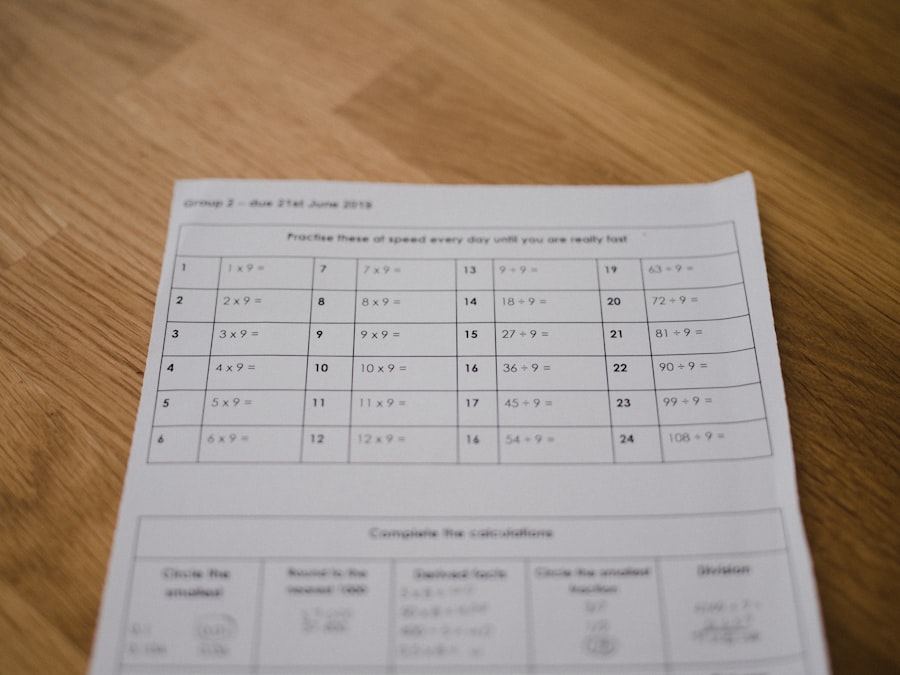
To ensure effective record keeping, teachers can adopt several strategies that streamline the process and enhance accuracy. One effective approach is to utilize digital tools and platforms designed specifically for educational record management. These tools often come equipped with features that allow for easy data entry, organization, and retrieval.
For instance, learning management systems (LMS) like Google Classroom or Canvas enable teachers to track assignments, grades, and student interactions in one centralized location. This not only saves time but also reduces the likelihood of errors associated with manual record keeping. Another strategy involves establishing a consistent routine for updating records.
Teachers can set aside specific times each week to review and input data, ensuring that records remain current and reflective of student progress. This practice can be particularly beneficial during busy periods, such as report card season or after major assessments. By integrating record keeping into their regular workflow, educators can avoid the stress of last-minute data compilation and maintain a clear overview of their students’ academic journeys.
Using Data to Inform Instruction
| Metric | Description | Example Data | Purpose |
|---|---|---|---|
| Student Assessment Scores | Results from formative and summative assessments | Math Test Average: 78% | Identify areas where students struggle to tailor instruction |
| Attendance Rate | Percentage of days students attend class | Attendance: 92% | Correlate attendance with academic performance |
| Engagement Level | Student participation in class activities | Participation Rate: 85% | Adjust teaching methods to increase engagement |
| Homework Completion Rate | Percentage of assigned homework completed on time | Completion Rate: 88% | Monitor student responsibility and understanding |
| Growth Over Time | Improvement in student performance across assessments | Score Increase: +10% over 3 months | Evaluate effectiveness of instructional strategies |
The ultimate goal of record keeping is to leverage the collected data to inform instructional practices. By analyzing trends in student performance, teachers can make informed decisions about curriculum adjustments and instructional strategies. For example, if data reveals that students consistently struggle with a particular concept in science, a teacher might choose to revisit that topic using different teaching methods or resources.
This responsive approach not only addresses gaps in understanding but also promotes a growth mindset among students. Furthermore, data-driven instruction allows educators to differentiate their teaching based on individual student needs. By examining assessment results and classroom observations, teachers can identify which students require additional support or enrichment opportunities.
For instance, a teacher may find that some students grasp foundational concepts quickly while others need more time and practice. By tailoring instruction to these varying needs—such as providing advanced materials for gifted learners or offering targeted interventions for struggling students—teachers can create a more inclusive learning environment that fosters success for all.
Collaborating with Colleagues
Collaboration among educators is another vital component of effective record keeping and data utilization. When teachers share insights from their records with colleagues, they can gain new perspectives on instructional practices and student needs. Professional learning communities (PLCs) provide an excellent platform for this type of collaboration, allowing educators to come together regularly to discuss student data and share successful strategies.
For example, a group of math teachers might analyze assessment results collectively to identify common areas of difficulty across different classes. Additionally, collaboration can extend beyond grade-level teams to include specialists such as school counselors or special education teachers. These professionals can offer valuable insights into student behavior and learning challenges that may not be immediately apparent from academic records alone.
By working together to interpret data holistically, educators can develop comprehensive support plans that address both academic and social-emotional needs.
Communicating with Parents
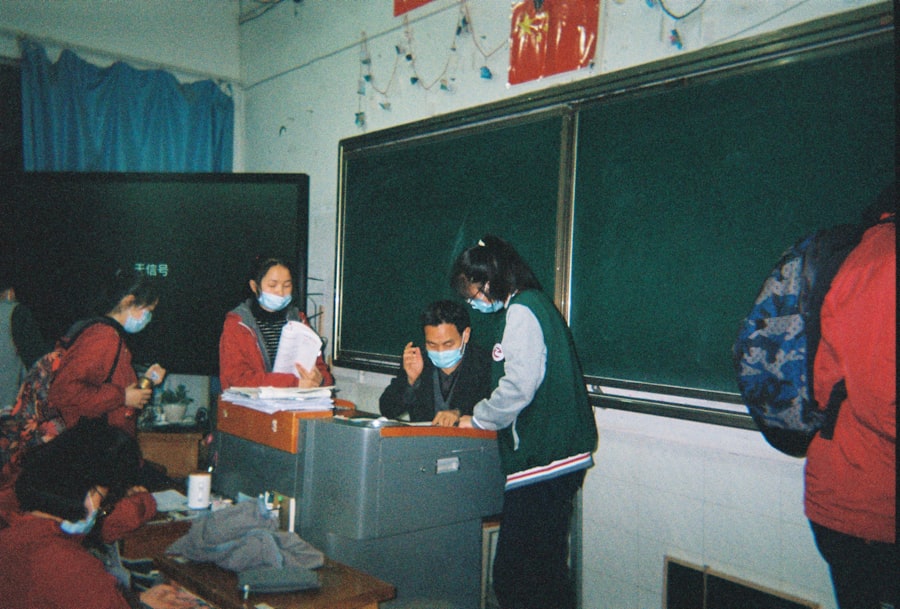
Effective communication with parents is an essential aspect of record keeping that can significantly impact student success. When teachers maintain clear and organized records, they are better equipped to share meaningful information with parents about their child’s progress. Regular updates on academic performance, attendance, and behavioral observations can help parents understand their child’s strengths and areas for improvement.
For instance, sending home progress reports that include specific examples of student work can foster constructive conversations between parents and teachers. Moreover, involving parents in the record-keeping process can enhance their engagement in their child’s education. Teachers can encourage parents to participate in goal-setting discussions based on recorded data, allowing them to take an active role in supporting their child’s learning journey.
For example, if a teacher identifies that a student struggles with reading comprehension based on assessment data, they might suggest specific strategies or resources for parents to use at home. This collaborative approach not only strengthens the home-school connection but also empowers parents to contribute positively to their child’s academic development.
Using Records for Professional Development
Teacher record keeping is not solely beneficial for student outcomes; it also plays a crucial role in professional development for educators themselves. By reflecting on their own records and analyzing student performance data over time, teachers can identify patterns in their instructional effectiveness. For instance, if a teacher notices that students consistently perform better in units where they employed hands-on learning activities compared to traditional lectures, this insight can inform future lesson planning.
Additionally, many professional development programs encourage educators to use their records as a basis for setting personal growth goals. Teachers might analyze their data to determine areas where they wish to improve—such as classroom management techniques or differentiation strategies—and seek out targeted training opportunities accordingly. This self-reflective practice not only enhances individual teaching skills but also contributes to a culture of continuous improvement within the school community.
Ensuring Data Privacy and Security
As educators increasingly rely on technology for record keeping, ensuring data privacy and security has become paramount. Teachers must be vigilant about protecting sensitive student information from unauthorized access or breaches. This includes adhering to legal regulations such as the Family Educational Rights and Privacy Act (FERPA), which governs the confidentiality of student records in the United States.
Educators should familiarize themselves with these regulations to ensure compliance while managing their records. Implementing best practices for data security is essential in safeguarding student information. This may involve using secure passwords for digital platforms, regularly updating software to protect against vulnerabilities, and training staff on proper data handling procedures.
Additionally, schools should establish clear policies regarding who has access to student records and under what circumstances information may be shared with third parties. By prioritizing data privacy and security, educators can maintain trust with students and families while effectively utilizing records to enhance the educational experience.