

Personalized education is a transformative approach that tailors learning experiences to meet the unique needs, interests, and abilities of each student. This method recognizes that no two learners are alike; therefore, it seeks to create an educational environment where students can thrive at their own pace. By utilizing various teaching strategies, such as differentiated instruction and adaptive learning technologies, educators can provide customized pathways for students.
For instance, a student struggling with mathematics may receive additional resources and one-on-one tutoring, while another excelling in the subject might be encouraged to explore advanced topics or engage in independent projects. The implementation of personalized education often involves the use of data analytics to track student progress and identify areas for improvement. Educators can analyze performance metrics to adjust lesson plans and instructional methods accordingly.

This data-driven approach not only enhances academic outcomes but also fosters a sense of ownership among students regarding their learning journey. When students see that their individual needs are being addressed, they are more likely to engage actively in their education, leading to improved motivation and self-esteem. Schools that embrace personalized education often report higher levels of student satisfaction and lower dropout rates, as learners feel more connected to their academic pursuits.
Key Takeaways
- Personalized education tailors learning to individual student needs for better outcomes.
- Smaller class sizes enable more focused attention and improved student engagement.
- Strong academic programs and specialized resources enhance overall educational quality.
- Emphasis on extracurricular activities and character development supports well-rounded growth.
- Greater parental involvement and college preparation help students succeed beyond school.
Smaller Class Sizes
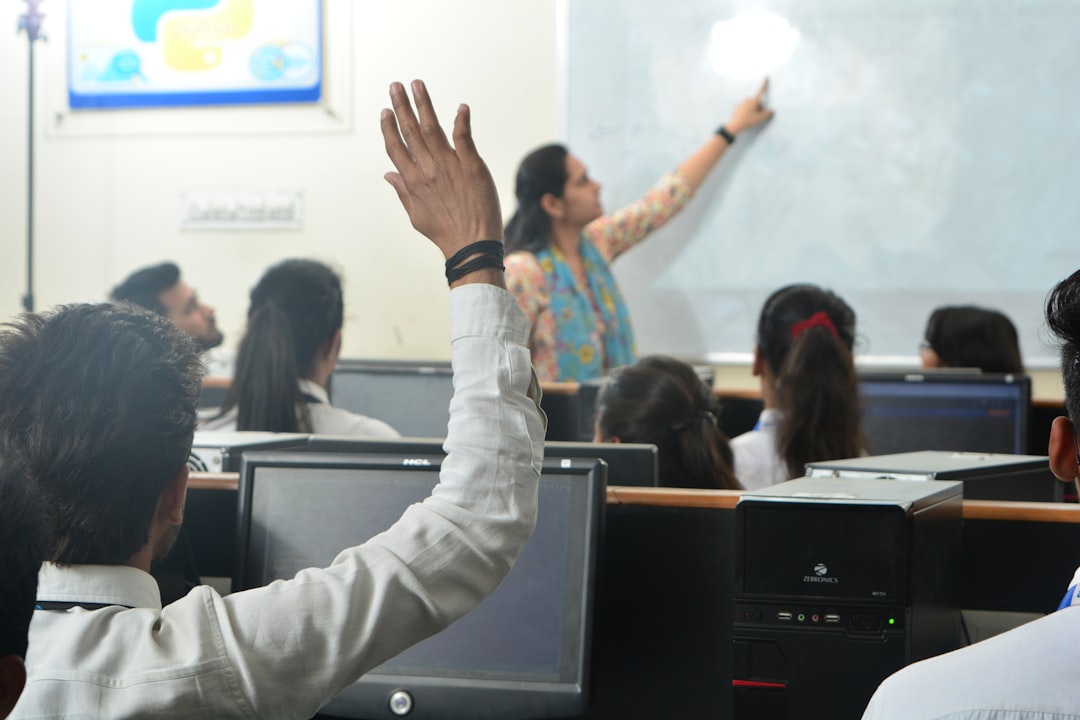
The impact of smaller class sizes on educational outcomes cannot be overstated. Research consistently shows that when students are placed in smaller classes, they benefit from increased individual attention from teachers. This intimate setting allows educators to tailor their teaching methods more effectively, ensuring that each student’s learning style is accommodated.
For example, in a class of 15 students, a teacher can spend more time engaging with each learner, providing immediate feedback and support. This level of interaction is often unattainable in larger classes, where teachers may struggle to address the diverse needs of 30 or more students. Moreover, smaller class sizes foster a sense of community and belonging among students.
In a more intimate classroom environment, students are more likely to participate in discussions, collaborate on projects, and form meaningful relationships with their peers. This social aspect of learning is crucial for developing communication skills and emotional intelligence. Additionally, teachers in smaller classes can more easily identify students who may be struggling academically or socially, allowing for timely interventions that can prevent long-term issues.
The cumulative effect of these factors often leads to higher academic achievement and improved overall well-being for students.
Stronger Academic Programs

A robust academic program is the backbone of any successful educational institution. Schools that prioritize strong curricula often provide a comprehensive range of subjects that challenge students intellectually while also preparing them for future endeavors. For instance, a well-rounded academic program might include advanced placement courses, honors classes, and specialized tracks in areas such as science, technology, engineering, and mathematics (STEM).
These offerings not only stimulate critical thinking but also equip students with the skills necessary for higher education and the workforce. Furthermore, strong academic programs are characterized by a commitment to continuous improvement and innovation. Educators regularly assess and update curricula to reflect current research and best practices in pedagogy.
This dynamic approach ensures that students are not only learning foundational knowledge but also developing essential skills such as problem-solving, analytical thinking, and creativity. Schools that invest in professional development for their teachers often see significant improvements in instructional quality, which directly translates to better student outcomes. By fostering an environment where academic excellence is prioritized, schools can cultivate a culture of achievement that inspires students to reach their full potential.
Access to Specialized Resources
| Resource Type | Availability | Average Access Time (days) | Utilization Rate (%) | User Satisfaction (%) |
|---|---|---|---|---|
| Specialized Libraries | High | 2 | 75 | 88 |
| Expert Consultations | Medium | 5 | 60 | 82 |
| Advanced Software Tools | High | 1 | 85 | 90 |
| Specialized Equipment | Low | 10 | 40 | 70 |
| Training Workshops | Medium | 3 | 65 | 85 |
Access to specialized resources is a critical component of an effective educational experience. Schools that provide students with a variety of resources—such as advanced technology, laboratory facilities, and access to expert instructors—can significantly enhance the learning process. For example, a school equipped with state-of-the-art science labs allows students to engage in hands-on experiments that reinforce theoretical concepts learned in the classroom.
This experiential learning not only deepens understanding but also ignites curiosity and passion for the subject matter. In addition to physical resources, access to specialized programs such as tutoring services, counseling, and mentorship opportunities can greatly benefit students. These resources help address individual challenges and promote personal growth.
For instance, students who may struggle with mental health issues can find support through school counselors trained to provide guidance and coping strategies. Similarly, mentorship programs that connect students with professionals in their fields of interest can offer invaluable insights and networking opportunities. By ensuring that all students have access to these specialized resources, schools can create an inclusive environment where every learner has the tools necessary to succeed.
Focus on Extracurricular Activities
Extracurricular activities play a vital role in the holistic development of students. Engaging in sports, arts, clubs, and community service not only enriches the educational experience but also fosters essential life skills such as teamwork, leadership, and time management. For instance, participation in a school band or theater production encourages creativity and self-expression while also teaching students the importance of collaboration and commitment.
These activities provide a platform for students to explore their interests outside the traditional academic curriculum. Moreover, extracurricular activities often serve as a crucial outlet for stress relief and social interaction. In today’s fast-paced educational environment, where academic pressures can be overwhelming, having opportunities to unwind through sports or creative pursuits is essential for maintaining mental health.
Schools that prioritize extracurricular programs often see increased student engagement and satisfaction. Additionally, these activities can enhance college applications by showcasing a well-rounded candidate who has demonstrated commitment and passion beyond academics. Ultimately, extracurricular involvement contributes significantly to personal growth and prepares students for the diverse challenges they will face in life.
Emphasis on Character Development
Character development is an integral aspect of education that extends beyond academic achievement. Schools that prioritize character education aim to instill values such as integrity, empathy, respect, and responsibility in their students. This focus on moral development helps shape individuals who are not only knowledgeable but also socially conscious and ethical members of society.
Programs designed to promote character development often include community service initiatives, peer mentoring opportunities, and discussions around ethical dilemmas. Incorporating character education into the curriculum can have profound effects on school culture. When students are encouraged to practice kindness and respect towards one another, it fosters a positive learning environment where everyone feels valued and safe.
For example, schools that implement anti-bullying campaigns or conflict resolution workshops often see a decrease in negative behaviors and an increase in student cooperation. Furthermore, character development initiatives can enhance academic performance; research indicates that students who possess strong character traits tend to exhibit higher levels of motivation and engagement in their studies.
Greater Parental Involvement
Parental involvement is a cornerstone of student success in education. When parents actively engage with their children’s schooling—whether through attending parent-teacher conferences, volunteering at school events, or supporting homework routines—students are more likely to perform better academically and exhibit positive behavior. Schools that foster strong partnerships with families create an environment where parents feel empowered to contribute to their children’s education actively.
Effective communication between schools and families is essential for promoting parental involvement. Regular updates on student progress, school events, and opportunities for engagement help keep parents informed and invested in their children’s education. For instance, schools that utilize digital platforms for communication can streamline information sharing and encourage parents to participate more readily in school activities.
Additionally, workshops aimed at educating parents about the curriculum or effective parenting strategies can further enhance their ability to support their children’s learning at home. Ultimately, greater parental involvement leads to stronger home-school connections that benefit both students and educators.
Preparation for College and Beyond
Preparing students for college and future careers is a fundamental goal of any educational institution. Schools that prioritize college readiness often implement comprehensive programs designed to equip students with the skills necessary for success beyond high school. This preparation includes not only academic rigor but also practical experiences such as internships, job shadowing opportunities, and college counseling services.
A key component of college preparation is fostering critical thinking and problem-solving skills through rigorous coursework. Advanced placement classes or dual enrollment programs allow high school students to earn college credits while still enrolled in secondary education. Additionally, schools may offer workshops on college applications, financial aid processes, and interview techniques to ensure that students are well-prepared for the transition to higher education.
By providing these resources and experiences, schools empower students to make informed decisions about their futures while instilling confidence in their abilities to navigate the challenges ahead. In conclusion, the multifaceted approach to education encompasses personalized learning experiences, smaller class sizes, strong academic programs, access to specialized resources, extracurricular activities, character development initiatives, parental involvement strategies, and comprehensive college preparation efforts. Each element plays a crucial role in shaping well-rounded individuals who are prepared not only for academic success but also for meaningful contributions to society.
