

The decision to attend college is one of the most significant choices a young person will make, shaping not only their educational journey but also their future career trajectory. In an increasingly competitive job market, the importance of selecting a college that aligns with career aspirations cannot be overstated. A college education serves as a critical stepping stone, providing students with the knowledge, skills, and networks necessary to thrive in their chosen fields.
The right institution can open doors to internships, job placements, and valuable connections that are essential for launching a successful career. Moreover, the landscape of higher education is evolving, with various institutions offering unique programs tailored to meet the demands of specific industries. As students navigate their options, they must consider factors such as the college’s reputation, the strength of its alumni network, and the resources available for career development.

By understanding these elements, students can make informed decisions that will not only enhance their educational experience but also significantly impact their professional lives post-graduation.
Key Takeaways
- Choosing the right college is crucial for setting students up for long-term career success.
- Colleges are ranked based on career outcomes and the achievements of their alumni.
- Ivy League schools are known for preparing students effectively for prestigious career opportunities.
- STEM-focused universities offer strong programs that often lead to high-paying and in-demand jobs.
- Career development resources and alumni networks play a significant role in supporting student success after graduation.
Methodology: How colleges are ranked and evaluated based on career outcomes and alumni success

The evaluation of colleges based on career outcomes and alumni success involves a multifaceted approach that considers various metrics. Rankings often incorporate data on employment rates, average starting salaries, and the percentage of graduates who secure jobs in their field of study within a specific timeframe after graduation. For instance, organizations like U.S. News & World Report and The Princeton Review utilize surveys and statistical analysis to assess institutions, providing prospective students with insights into which colleges excel in preparing graduates for the workforce. Additionally, qualitative factors such as employer reputation and alumni engagement play a crucial role in these evaluations. Employers often provide feedback on the preparedness of graduates from specific institutions, which can influence rankings. Furthermore, colleges that maintain strong relationships with industry leaders and actively engage alumni in mentorship programs tend to foster environments conducive to career success. This comprehensive methodology ensures that students can identify colleges that not only offer academic excellence but also prioritize their future employability.
Ivy League Institutions: Exploring how these prestigious universities prepare students for successful careers
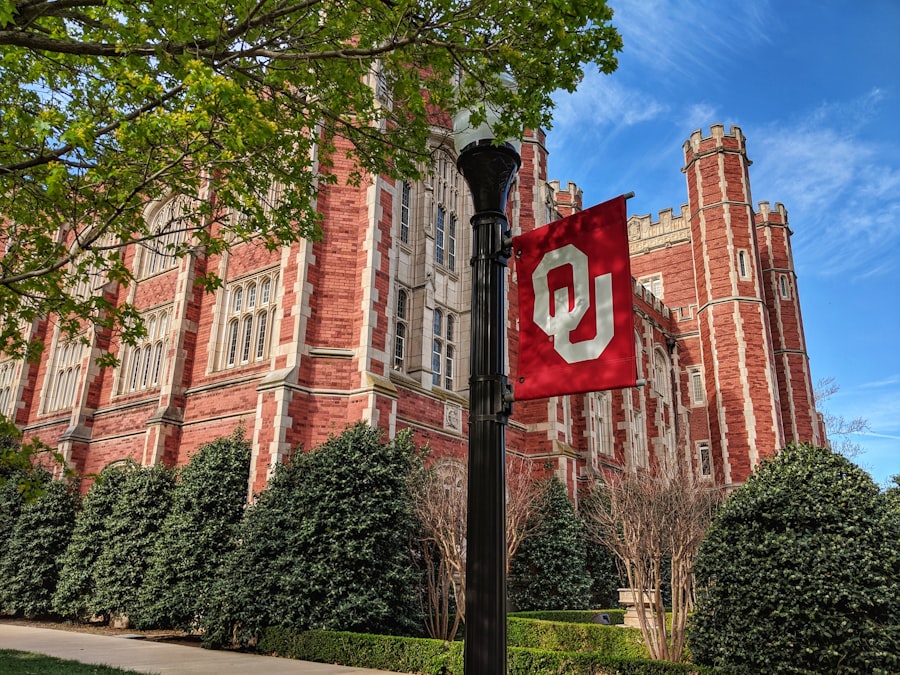
Ivy League institutions are synonymous with academic rigor and prestige, often regarded as some of the best colleges in the world. These universities—Harvard, Yale, Princeton, Columbia, Brown, Dartmouth, Cornell, and the University of Pennsylvania—boast extensive resources that significantly enhance students’ career prospects. The rigorous curriculum at Ivy League schools is designed to challenge students intellectually while fostering critical thinking and problem-solving skills essential for success in any field.
Moreover, Ivy League schools have robust career services departments that provide students with access to internships, job fairs, and networking events. For example, Harvard’s Office of Career Services offers personalized career counseling and hosts numerous employer recruitment events throughout the academic year. This proactive approach ensures that students are well-prepared to enter the job market upon graduation.
Additionally, the vast alumni networks associated with these institutions often lead to mentorship opportunities and job placements in prestigious companies across various industries.
STEM-Focused Universities: Highlighting colleges with strong programs in science, technology, engineering, and mathematics that lead to lucrative career opportunities
| University | STEM Programs Offered | Graduation Rate (%) | Average Starting Salary | Research Funding (Million USD) | Notable STEM Fields |
|---|---|---|---|---|---|
| Massachusetts Institute of Technology (MIT) | Engineering, Computer Science, Mathematics, Physics, Biology | 95 | 115,000 | 1,200 | Artificial Intelligence, Robotics, Aerospace Engineering |
| Stanford University | Computer Science, Engineering, Mathematics, Earth Sciences | 94 | 110,000 | 1,100 | Biotechnology, Computer Science, Environmental Science |
| California Institute of Technology (Caltech) | Physics, Chemistry, Engineering, Mathematics, Biology | 92 | 108,000 | 800 | Astrophysics, Chemical Engineering, Neuroscience |
| Georgia Institute of Technology | Engineering, Computer Science, Mathematics, Industrial Design | 88 | 85,000 | 350 | Mechanical Engineering, Cybersecurity, Data Analytics |
| University of California, Berkeley | Engineering, Computer Science, Mathematics, Environmental Science | 91 | 95,000 | 900 | Electrical Engineering, Computer Science, Environmental Engineering |
In recent years, STEM (Science, Technology, Engineering, and Mathematics) fields have gained prominence due to their critical role in driving innovation and economic growth. Colleges with strong STEM programs are increasingly recognized for their ability to equip students with the technical skills and knowledge necessary for high-demand careers. Institutions such as the Massachusetts Institute of Technology (MIT), Stanford University, and California Institute of Technology (Caltech) are renowned for their cutting-edge research facilities and comprehensive curricula that prepare students for careers in engineering, computer science, biotechnology, and more.
These universities often collaborate with industry leaders to ensure that their programs remain relevant and aligned with current market needs. For instance, MIT’s partnerships with tech giants like Google and Microsoft provide students with internship opportunities that can lead to full-time employment after graduation. Furthermore, STEM-focused universities typically emphasize hands-on learning experiences through labs and research projects, allowing students to apply theoretical knowledge in practical settings.
This experiential learning not only enhances understanding but also makes graduates more attractive to potential employers.
Liberal Arts Colleges: Discussing how these institutions provide a well-rounded education that prepares students for a variety of career paths
Liberal arts colleges offer a distinctive educational experience characterized by a broad-based curriculum that encourages critical thinking, creativity, and effective communication skills. Institutions such as Williams College, Amherst College, and Swarthmore College emphasize interdisciplinary learning, allowing students to explore diverse subjects while honing their analytical abilities. This well-rounded education prepares graduates for a multitude of career paths by fostering adaptability—a crucial trait in today’s rapidly changing job market.
The emphasis on small class sizes at liberal arts colleges facilitates close interactions between students and faculty, promoting mentorship opportunities that can significantly impact career development. Faculty members often have extensive networks in various industries and can provide valuable guidance on internships and job placements. Additionally, liberal arts graduates are frequently sought after by employers for their ability to think critically and communicate effectively—skills that are essential in any profession.
As such, these institutions play a vital role in shaping versatile individuals who can thrive in diverse work environments.
Career Development Resources: Examining colleges that offer extensive support and resources for students to succeed in their chosen career fields
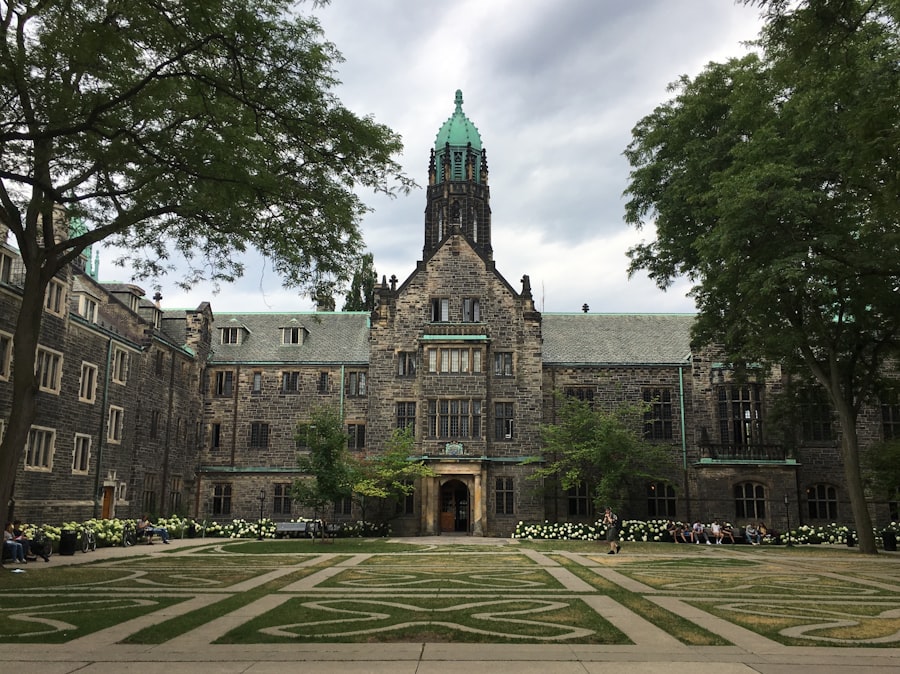
The availability of comprehensive career development resources is a critical factor in determining a college’s effectiveness in preparing students for successful careers. Institutions that prioritize career services often provide a range of support options including resume workshops, interview preparation sessions, and networking events with industry professionals. For example, the University of California, Berkeley offers an extensive Career Center that provides personalized counseling services as well as access to job listings tailored to students’ fields of study.
Furthermore, colleges that integrate experiential learning opportunities into their curricula—such as internships, co-op programs, and service-learning projects—enhance students’ employability by providing real-world experience. Northeastern University is particularly known for its co-op program that allows students to alternate between classroom learning and professional work experiences. This model not only helps students build their resumes but also enables them to develop essential skills while exploring potential career paths before graduation.
Alumni Success Stories: Featuring graduates from top colleges who have gone on to achieve significant career success in their respective industries
Alumni success stories serve as powerful testimonials to the effectiveness of a college’s educational approach in preparing students for their careers. Graduates from prestigious institutions often find themselves in influential positions across various sectors. For instance, Sheryl Sandberg, a graduate of Harvard University, became the Chief Operating Officer of Facebook (now Meta Platforms) and has been a prominent advocate for women in leadership roles through her bestselling book “Lean In.” Her journey exemplifies how an Ivy League education can provide the foundation for significant professional achievements.
Similarly, many liberal arts graduates have made notable contributions in diverse fields. For example, actor and filmmaker Tom Hanks graduated from California State University, Sacramento with a degree in theater arts before becoming one of Hollywood’s most respected figures. His success underscores the versatility of a liberal arts education in fostering creativity and critical thinking—skills that have undoubtedly contributed to his accomplishments in the entertainment industry.
Summarizing the key factors to consider when choosing a college for career success and the impact it can have on future professional endeavors
When selecting a college with an eye toward future career success, several key factors must be considered. The institution’s reputation within specific industries, the strength of its alumni network, and the availability of career development resources all play crucial roles in shaping graduates’ professional trajectories. Additionally, understanding how different types of colleges—whether Ivy League institutions, STEM-focused universities, or liberal arts colleges—prepare students for diverse career paths can help prospective students make informed decisions.
Ultimately, the choice of college can have profound implications for an individual’s professional journey. A well-chosen institution not only provides academic knowledge but also equips students with essential skills and connections that can significantly enhance their employability. As such, prospective students should approach this decision thoughtfully, recognizing its potential impact on their future endeavors in an ever-evolving job market.
