
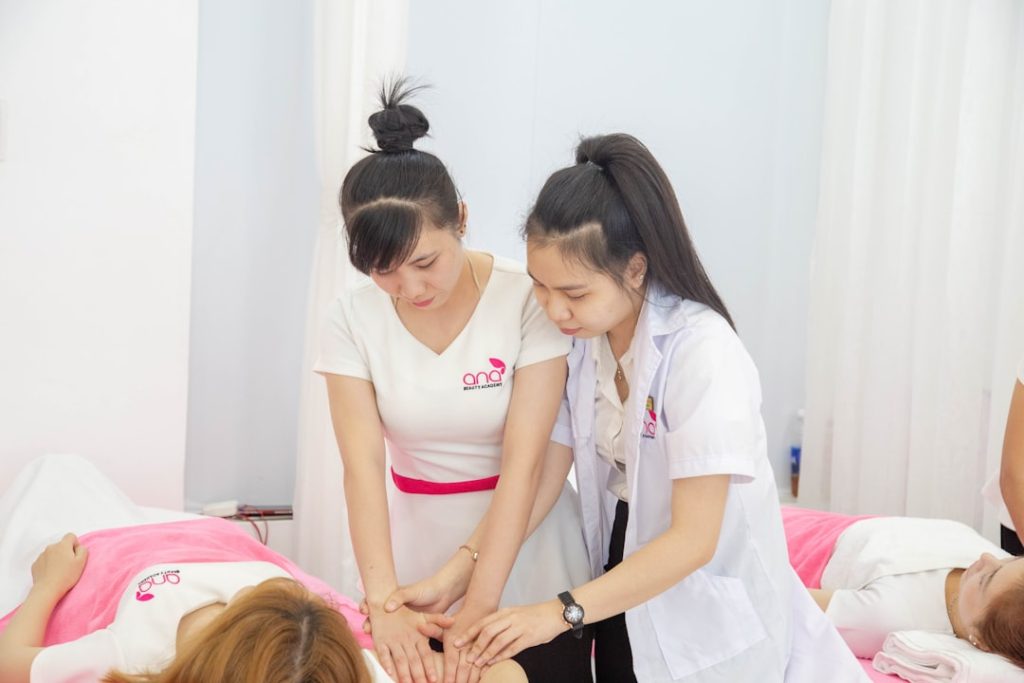
Massage therapy has long been recognized for its myriad benefits, both physical and psychological. One of the most significant advantages is its ability to alleviate pain. Whether it’s chronic pain from conditions like arthritis or acute pain from injuries, massage can help reduce discomfort by promoting blood circulation and relaxing tense muscles.
Techniques such as deep tissue massage target deeper layers of muscle and connective tissue, providing relief that can last long after the session ends. Research has shown that regular massage therapy can lead to a decrease in pain levels, allowing individuals to engage more fully in their daily activities. In addition to pain relief, massage therapy is known for its stress-reducing properties.

The act of receiving a massage can trigger the body’s relaxation response, leading to lower levels of cortisol, the stress hormone. This reduction in stress can have a cascading effect on overall health, improving sleep quality, enhancing mood, and even boosting the immune system. Many clients report feeling a sense of calm and well-being after a session, which can contribute to better mental health outcomes.
Furthermore, the therapeutic touch involved in massage fosters a sense of connection and care, which can be particularly beneficial for individuals dealing with anxiety or depression.
Key Takeaways
- Massage therapy offers physical and mental health benefits, including stress relief and pain management.
- Hands-on training is crucial for developing effective massage techniques and client interaction skills.
- Understanding anatomy and physiology is essential for safe and targeted massage therapy practice.
- Career opportunities in massage therapy are diverse, ranging from clinical settings to wellness centers.
- Continuing education and specializations help therapists stay updated and expand their expertise.

What to Expect in Massage Therapy School
Enrolling in massage therapy school is an exciting step for those looking to pursue a career in this rewarding field. Students can expect a comprehensive curriculum that covers both theoretical knowledge and practical skills. Core subjects typically include anatomy, physiology, kinesiology, and various massage techniques.
Understanding the human body is crucial for effective treatment; therefore, students spend significant time learning about muscle groups, skeletal structures, and how different systems interact. This foundational knowledge equips future therapists with the tools they need to assess client needs accurately. In addition to classroom learning, students will engage in hands-on practice through supervised sessions.
This practical component is essential for developing the confidence and skills necessary to perform various massage techniques effectively. Students often practice on each other, allowing them to experience different modalities firsthand while receiving constructive feedback from instructors. Many programs also incorporate business training, teaching students how to manage their practices, market their services, and understand the legal aspects of running a massage therapy business.
This holistic approach ensures that graduates are well-prepared for the realities of working in the field.
The Importance of Hands-On Training
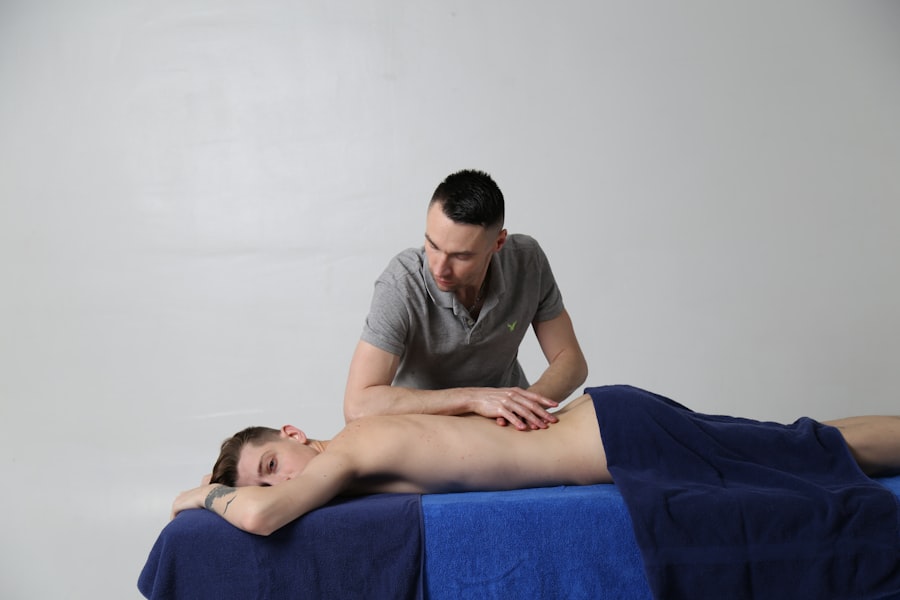
Hands-on training is a cornerstone of massage therapy education, as it bridges the gap between theory and practice. While understanding anatomy and techniques is vital, the ability to apply this knowledge in real-world scenarios is what truly defines a skilled therapist. During hands-on training, students learn not only how to perform various types of massage but also how to adapt their techniques to meet individual client needs.
This adaptability is crucial because each client presents unique challenges and requires personalized approaches. Moreover, hands-on training fosters the development of essential soft skills such as communication and empathy. Therapists must be able to listen to their clients’ concerns and respond appropriately during sessions.
This interaction helps build trust and rapport, which are fundamental for effective treatment. Additionally, students learn how to create a comfortable environment that promotes relaxation and healing. The experience gained during hands-on training is invaluable; it prepares students for the nuances of client interactions and equips them with the confidence needed to excel in their careers.
Career Opportunities in Massage Therapy
| Career Path | Average Annual Salary | Job Growth Rate (2020-2030) | Typical Work Settings | Required Education/Certification |
|---|---|---|---|---|
| Licensed Massage Therapist | 43,000 – 60,000 | 21% | Spas, Clinics, Private Practice | Massage Therapy Certification, State License |
| Sports Massage Therapist | 45,000 – 65,000 | 22% | Sports Teams, Rehabilitation Centers | Specialized Sports Massage Training, Certification |
| Medical Massage Therapist | 50,000 – 70,000 | 23% | Hospitals, Physical Therapy Clinics | Advanced Medical Massage Certification |
| Massage Therapy Instructor | 40,000 – 55,000 | 15% | Massage Schools, Community Colleges | Experience + Teaching Certification |
| Wellness Coach with Massage Therapy | 45,000 – 60,000 | 18% | Wellness Centers, Private Practice | Massage Therapy Certification + Coaching Certification |
The field of massage therapy offers a diverse array of career opportunities that cater to various interests and specialties. Many therapists choose to work in traditional settings such as spas, wellness centers, or chiropractic offices. These environments often provide a steady stream of clients seeking relaxation or therapeutic relief from pain.
In these roles, therapists can develop long-term relationships with clients, which can enhance job satisfaction and client retention. Beyond conventional settings, there are numerous niche markets within massage therapy that allow practitioners to carve out unique career paths. For instance, some therapists specialize in sports massage, working with athletes to enhance performance and aid recovery from injuries.
Others may focus on prenatal massage, providing care for expectant mothers during pregnancy. Additionally, opportunities exist in rehabilitation centers, hospitals, and even corporate wellness programs where therapists offer on-site services to employees. The versatility of a massage therapy career means that practitioners can tailor their work environments and specialties to align with their personal interests and professional goals.
The Role of Anatomy and Physiology in Massage Therapy
A solid understanding of anatomy and physiology is fundamental for anyone pursuing a career in massage therapy. Knowledge of the human body enables therapists to identify areas of tension or dysfunction effectively. For example, understanding muscle groups allows therapists to target specific areas during treatment, ensuring that they address the root causes of discomfort rather than merely alleviating symptoms.
This depth of knowledge also aids in recognizing contraindications—situations where massage may not be appropriate—thus ensuring client safety. Furthermore, anatomy and physiology inform the selection of techniques used during a session. Different modalities may be more effective depending on the client’s condition or goals.
For instance, a therapist might employ Swedish massage techniques for relaxation while opting for trigger point therapy for muscle knots. This nuanced approach not only enhances treatment efficacy but also empowers therapists to educate clients about their bodies and promote self-care practices that extend beyond the treatment room.
The Impact of Massage Therapy on Mental Health
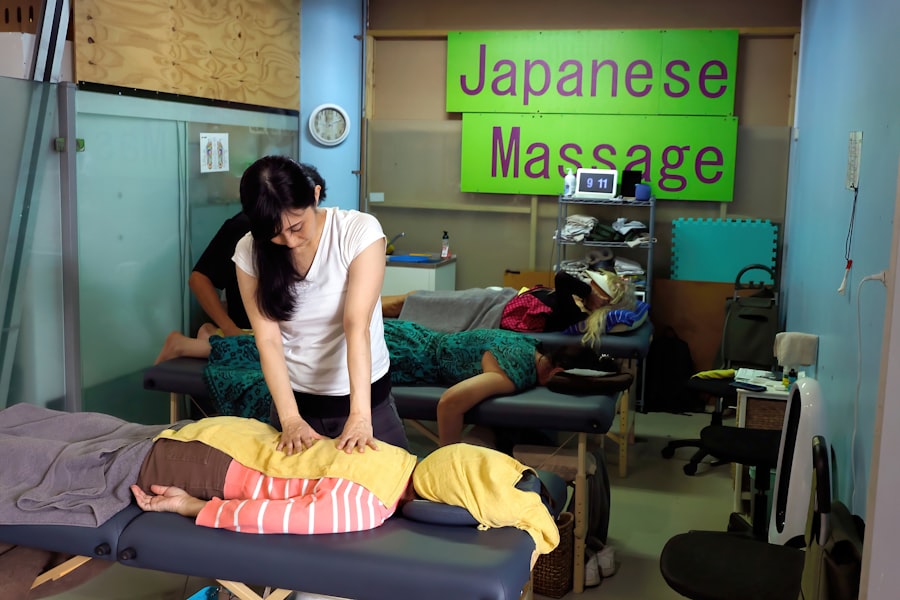
The benefits of massage therapy extend far beyond physical relief; they also encompass significant mental health advantages. Research has demonstrated that regular massage can lead to reductions in anxiety and depression symptoms. The soothing nature of touch can stimulate the release of neurotransmitters such as serotonin and dopamine, which play crucial roles in regulating mood and emotional well-being.
Clients often report feeling more relaxed and centered after sessions, contributing to an overall sense of mental clarity. Moreover, massage therapy provides an opportunity for individuals to disconnect from their daily stressors and focus on self-care. In today’s fast-paced world, many people struggle with finding time for themselves; thus, a dedicated hour or more for massage can serve as a vital respite from life’s demands.
This intentional time spent on self-care not only promotes relaxation but also encourages individuals to prioritize their mental health as part of their overall wellness routine.
The Business Side of Massage Therapy
While the therapeutic aspects of massage therapy are often highlighted, it is essential not to overlook the business side of this profession. Successful practitioners must possess not only clinical skills but also business acumen to thrive in a competitive market. Understanding how to market services effectively is crucial; this may involve creating an online presence through social media or maintaining an informative website that showcases services offered.
Additionally, managing finances is a critical component of running a successful practice. Therapists must be adept at budgeting for expenses such as rent, supplies, insurance, and continuing education costs. Many practitioners also choose to offer package deals or membership programs to encourage client loyalty while ensuring a steady income stream.
Networking with other professionals in related fields—such as fitness trainers or healthcare providers—can also lead to referrals and collaborative opportunities that enhance business growth.
Continuing Education and Specializations in Massage Therapy
The field of massage therapy is continually evolving, with new techniques and research emerging regularly. As such, continuing education is vital for practitioners who wish to stay current with industry trends and expand their skill sets. Many states require licensed therapists to complete continuing education courses periodically; however, many professionals pursue additional training voluntarily out of a desire for personal growth and improved client care.
Specializations within massage therapy offer avenues for practitioners to deepen their expertise in specific areas. For example, advanced training in myofascial release or lymphatic drainage can set therapists apart in a crowded marketplace. Additionally, certifications in complementary modalities such as aromatherapy or reflexology can enhance service offerings and attract diverse clientele.
By investing in ongoing education and specialization, therapists not only improve their practice but also contribute positively to the overall perception and credibility of the profession as a whole.