
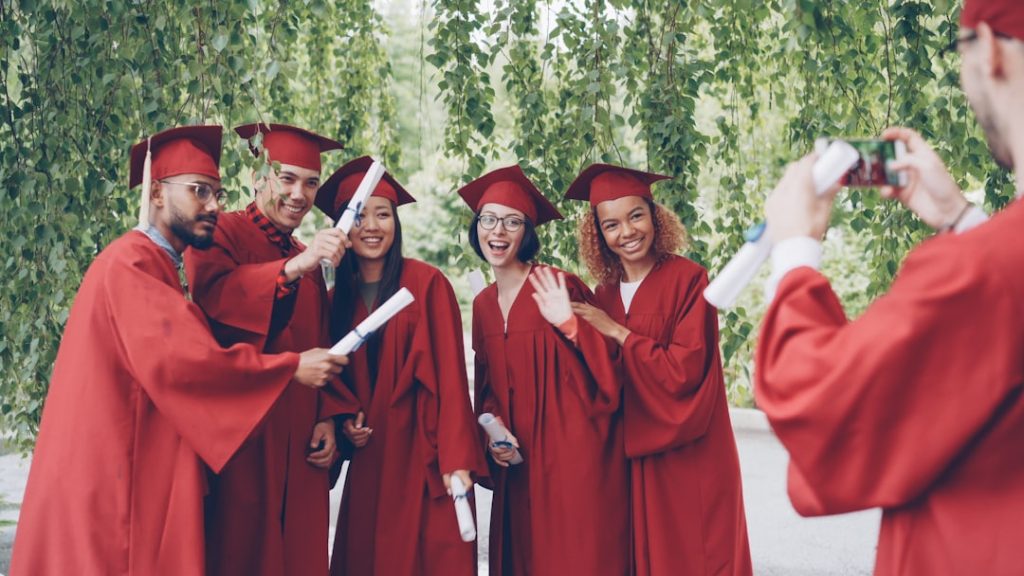
Higher secondary education serves as a critical bridge between foundational learning and advanced academic or vocational pursuits. It is during these formative years that students solidify their knowledge base, develop critical thinking skills, and cultivate a sense of personal responsibility. This stage of education is not merely an extension of previous schooling; it is a transformative period where young individuals begin to define their aspirations and career paths.
The curriculum typically encompasses a broad range of subjects, allowing students to explore various fields, which is essential for informed decision-making regarding their future. Moreover, higher secondary education plays a pivotal role in shaping societal values and fostering civic responsibility. Students are often exposed to discussions about ethics, governance, and community engagement, which instills a sense of duty towards their society.
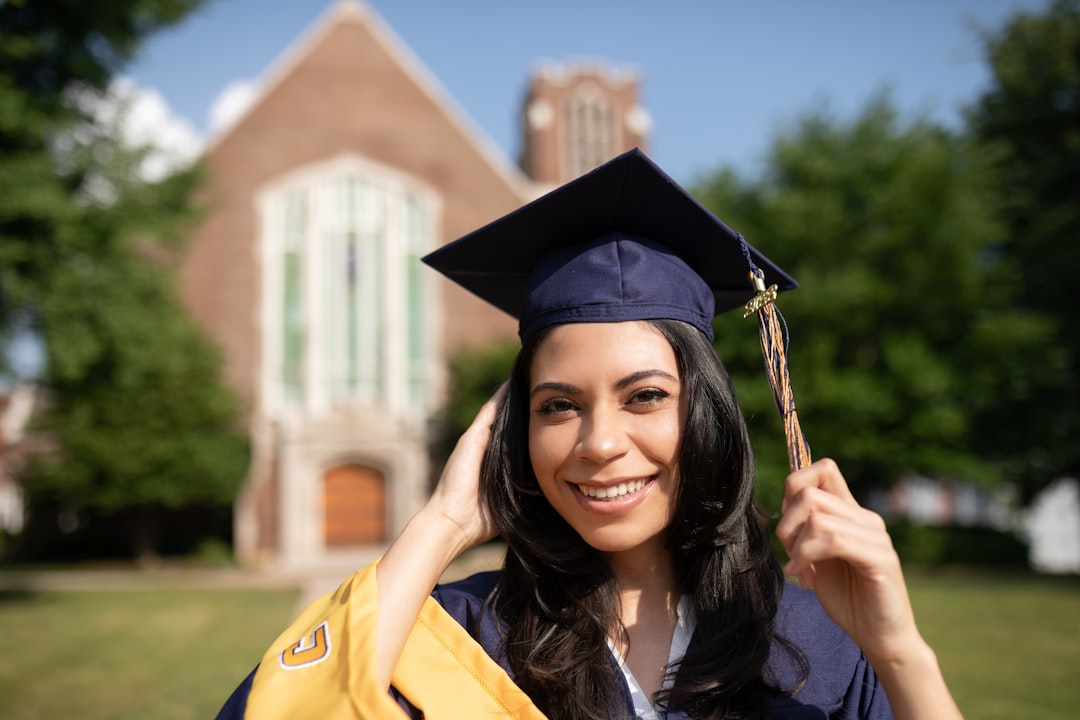
This educational phase encourages students to think beyond themselves and consider the implications of their actions on the broader community. As they engage in group projects, debates, and extracurricular activities, they learn the importance of collaboration and leadership, skills that are indispensable in both personal and professional realms.
Key Takeaways
- Higher secondary education is crucial for personal development and economic growth.
- Challenges include resource limitations, diverse learner needs, and curriculum relevance.
- Implementing innovative teaching strategies and technology can enhance learning outcomes.
- Career readiness programs integrated into higher secondary education prepare students for the workforce.
- Future trends emphasize personalized learning, digital tools, and inclusive education practices.
The Challenges Faced by Higher Secondary Education

Despite its significance, higher secondary education faces numerous challenges that hinder its effectiveness. One of the most pressing issues is the disparity in educational quality across different regions and socioeconomic backgrounds. In many countries, students in urban areas often have access to better resources, experienced teachers, and advanced facilities compared to their rural counterparts.
This inequity can lead to significant gaps in knowledge and preparedness for higher education or the workforce, perpetuating cycles of poverty and limiting opportunities for many young individuals. Another challenge is the increasing pressure on students to perform academically. The competitive nature of higher secondary education can lead to heightened stress levels among students, often resulting in mental health issues such as anxiety and depression.
The emphasis on standardized testing and grades can overshadow the intrinsic value of learning, causing students to focus more on achieving high scores rather than genuinely understanding the material. This environment can stifle creativity and critical thinking, as students may prioritize rote memorization over deeper engagement with the subject matter.
Strategies for Improving Higher Secondary Education
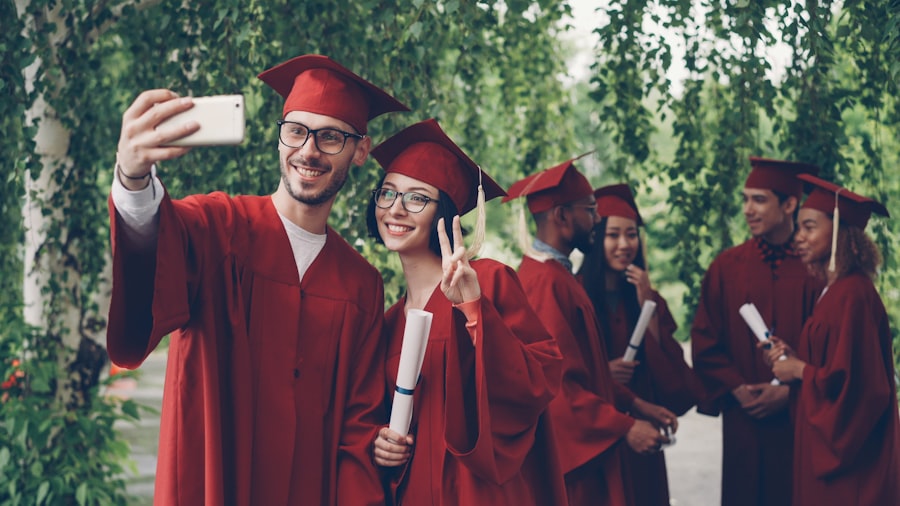
To address the challenges faced by higher secondary education, a multifaceted approach is necessary. One effective strategy is the implementation of personalized learning plans that cater to individual student needs and learning styles. By assessing each student’s strengths and weaknesses, educators can tailor instruction to ensure that all learners are engaged and challenged appropriately.
This approach not only enhances academic performance but also fosters a love for learning, as students feel more invested in their education. Additionally, enhancing teacher training programs is crucial for improving the quality of education at this level. Educators should be equipped with modern pedagogical techniques that emphasize critical thinking, problem-solving, and collaborative learning.
Professional development opportunities should be made available regularly, allowing teachers to stay updated on the latest educational research and methodologies. By investing in teacher training, schools can create a more dynamic learning environment that benefits both educators and students.
The Role of Technology in Higher Secondary Education
| Technology Tool | Usage in Higher Secondary Education | Impact on Learning | Percentage of Schools Using |
|---|---|---|---|
| Interactive Whiteboards | Enhance classroom engagement through interactive lessons | Improved student participation and understanding | 65% |
| Online Learning Platforms | Provide access to courses and resources remotely | Increased accessibility and flexible learning schedules | 78% |
| Educational Apps | Supplement classroom teaching with quizzes and tutorials | Better retention and personalized learning | 70% |
| Virtual Labs | Simulate experiments for science subjects | Enhanced practical understanding without physical constraints | 40% |
| Learning Management Systems (LMS) | Manage course content, assignments, and assessments | Streamlined administration and improved communication | 85% |
| Video Conferencing Tools | Facilitate remote lectures and group discussions | Maintained continuity of education during disruptions | 60% |
Technology has become an integral part of higher secondary education, offering innovative tools that enhance teaching and learning experiences. Digital platforms enable access to a wealth of information and resources that were previously unavailable or difficult to obtain. For instance, online libraries, educational apps, and interactive simulations provide students with diverse ways to engage with content, catering to various learning preferences.
This accessibility can help bridge gaps in knowledge and resources, particularly for students in underfunded schools. Furthermore, technology facilitates collaboration among students and educators across geographical boundaries. Virtual classrooms and online discussion forums allow learners to connect with peers from different backgrounds, fostering a global perspective on issues.
This exposure not only enriches their educational experience but also prepares them for a workforce that increasingly values diversity and cross-cultural communication skills. As technology continues to evolve, it is essential for educational institutions to integrate these tools effectively into their curricula to maximize their potential benefits.
Enhancing Career Readiness through Higher Secondary Education
One of the primary goals of higher secondary education is to prepare students for successful careers after graduation. To achieve this objective, schools must implement programs that provide practical skills alongside academic knowledge. Career counseling services can play a vital role in guiding students toward suitable career paths based on their interests and strengths.
By offering workshops on resume writing, interview techniques, and networking strategies, schools can equip students with the tools they need to navigate the job market confidently. Additionally, partnerships with local businesses and industries can enhance career readiness initiatives. By creating internship opportunities or job shadowing programs, schools can provide students with real-world experiences that complement their classroom learning.
These partnerships not only benefit students but also help businesses identify potential future employees who are well-prepared for the demands of the workforce. Such collaborations foster a sense of community engagement and investment in the future success of local youth.
Addressing the Needs of Diverse Learners in Higher Secondary Education
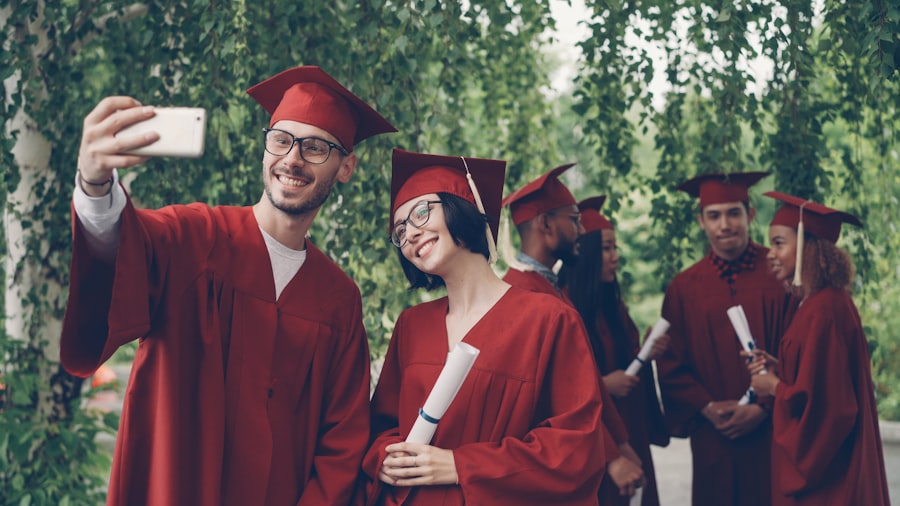
Diversity within the student population presents both challenges and opportunities for higher secondary education. It is essential for educators to recognize and address the unique needs of diverse learners, including those from different cultural backgrounds, students with disabilities, and English language learners. Culturally responsive teaching practices can create an inclusive environment where all students feel valued and understood.
By incorporating diverse perspectives into the curriculum and promoting multicultural awareness, educators can foster a sense of belonging among all learners. Moreover, differentiated instruction is crucial for meeting the varied learning needs within a classroom. Teachers should employ a range of instructional strategies that accommodate different learning styles and abilities.
For instance, using visual aids, hands-on activities, or group discussions can help engage students who may struggle with traditional lecture-based teaching methods. By embracing diversity in all its forms, higher secondary education can create a more equitable learning environment that empowers every student to succeed.
The Impact of Higher Secondary Education on Economic Development
The relationship between higher secondary education and economic development is profound and multifaceted. A well-educated workforce is essential for driving innovation, productivity, and competitiveness in today’s global economy. Countries with high rates of secondary school completion tend to experience greater economic growth as they benefit from a skilled labor force capable of adapting to changing market demands.
Furthermore, individuals who complete higher secondary education are more likely to pursue higher education or vocational training, leading to better job prospects and higher earning potential. Investing in higher secondary education also has broader societal benefits. Educated individuals are more likely to engage in civic activities, contribute to community development, and make informed decisions regarding health and welfare issues.
This engagement fosters social cohesion and stability, which are vital components of sustainable economic development. As nations strive for progress in an increasingly interconnected world, prioritizing higher secondary education becomes imperative for fostering both individual success and collective prosperity.
The Future of Higher Secondary Education: Trends and Innovations
As we look toward the future of higher secondary education, several trends and innovations are emerging that promise to reshape the educational landscape. One significant trend is the growing emphasis on interdisciplinary learning that transcends traditional subject boundaries. Schools are beginning to recognize that real-world problems often require solutions that draw from multiple disciplines.
By encouraging project-based learning that integrates science, technology, engineering, arts, and mathematics (STEAM), educators can prepare students for complex challenges they will face in their careers. Another innovation gaining traction is the incorporation of social-emotional learning (SEL) into curricula. Recognizing that emotional intelligence is as important as academic achievement, schools are increasingly focusing on developing skills such as empathy, resilience, and self-regulation among students.
Programs designed to enhance SEL not only improve student well-being but also contribute to a positive school climate conducive to learning. In conclusion, higher secondary education stands at a crossroads where it must adapt to meet the evolving needs of society while addressing existing challenges. By embracing innovative strategies and leveraging technology effectively, educational institutions can enhance the quality of education provided to all learners.
As we move forward into an uncertain future marked by rapid change, it is essential that we prioritize higher secondary education as a cornerstone for individual growth and societal advancement.