
To effectively engage with consumers, businesses must first develop a comprehensive understanding of their target audience. This involves delving into demographic data, psychographics, and behavioral patterns that define the audience’s preferences and needs. For instance, a company selling eco-friendly products would benefit from identifying consumers who prioritize sustainability, are environmentally conscious, and are likely to engage with brands that reflect their values.
By segmenting the audience based on these criteria, marketers can tailor their messaging and product offerings to resonate more deeply with potential customers. Moreover, understanding the target audience extends beyond mere demographics; it encompasses the motivations and pain points that drive consumer behavior. Conducting surveys, focus groups, and interviews can provide invaluable insights into what influences purchasing decisions.

For example, a brand targeting millennials may discover that this demographic values authenticity and transparency in marketing. By aligning their brand narrative with these values, companies can foster a stronger emotional connection with their audience, ultimately leading to increased loyalty and advocacy.
Key Takeaways
- Know your audience deeply to tailor marketing efforts effectively.
- Use diverse digital platforms to maximize reach and engagement.
- Develop engaging content that resonates with your target market.
- Harness social media to build brand presence and interact with customers.
- Analyze data continuously to optimize campaigns and improve results.
Utilizing Digital Marketing Platforms

In today’s digital landscape, leveraging various marketing platforms is essential for reaching a broad audience effectively. Each platform offers unique advantages and caters to different segments of the population. For instance, Google Ads allows businesses to target specific keywords, ensuring that their products or services appear in search results when potential customers are actively seeking them.
This pay-per-click model can yield high conversion rates when executed correctly, as it places the brand directly in front of interested consumers at the right moment. Social media platforms also play a pivotal role in digital marketing strategies. Facebook, Instagram, LinkedIn, and Twitter each have distinct user bases and functionalities that can be harnessed for targeted advertising.
For example, Instagram’s visual-centric approach is ideal for brands in the fashion or food industries, where eye-catching imagery can drive engagement and sales. Conversely, LinkedIn serves as a powerful tool for B2B marketing, allowing companies to connect with industry professionals and decision-makers through sponsored content and targeted ads. By strategically utilizing these platforms, businesses can maximize their reach and enhance their overall marketing effectiveness.
Creating Compelling Content

Content creation is at the heart of any successful marketing strategy. Compelling content not only attracts attention but also engages and informs the audience, establishing the brand as an authority in its field. High-quality blog posts, informative videos, engaging infographics, and interactive content can all serve to captivate potential customers.
For instance, a tech company might produce a series of how-to videos that demonstrate the functionality of its products, thereby providing value while subtly promoting its offerings. Furthermore, storytelling is a powerful technique in content creation that can evoke emotions and foster connections with the audience. Brands that share authentic stories about their origins, values, or customer experiences can create a narrative that resonates deeply with consumers.
For example, TOMS Shoes has built its brand around the story of giving back—every pair purchased results in a pair donated to someone in need. This narrative not only differentiates TOMS from competitors but also aligns with the values of socially conscious consumers, driving both engagement and sales.
Leveraging Social Media
| Metric | Description | Example Value | Importance |
|---|---|---|---|
| Engagement Rate | Percentage of audience interacting with content (likes, comments, shares) | 4.5% | High – Indicates content relevance and audience interest |
| Follower Growth | Increase in number of followers over a specific period | +12% monthly | Medium – Reflects brand reach expansion |
| Click-Through Rate (CTR) | Percentage of users clicking on links in posts | 2.8% | High – Measures effectiveness of call-to-action |
| Impressions | Number of times content is displayed to users | 150,000 per month | Medium – Shows content visibility |
| Conversion Rate | Percentage of social media visitors completing desired actions | 1.2% | High – Indicates success in driving business goals |
| Share of Voice | Brand mentions compared to competitors on social media | 25% | Medium – Measures brand presence in the market |
| Response Time | Average time taken to respond to user inquiries or comments | 2 hours | High – Impacts customer satisfaction and engagement |
Social media has transformed the way brands interact with their audiences, providing a platform for real-time engagement and community building. By leveraging social media effectively, businesses can create a two-way dialogue with consumers, fostering relationships that go beyond transactional interactions. Engaging with followers through comments, direct messages, and live Q&A sessions can humanize a brand and make it more relatable.
For instance, brands like Wendy’s have gained notoriety for their witty and humorous social media presence, which not only entertains but also encourages user interaction. Additionally, social media platforms offer robust advertising tools that allow for precise targeting based on user interests, behaviors, and demographics. This capability enables brands to reach specific segments of their audience with tailored messages that resonate more effectively.
For example, a fitness brand could target ads to users who follow health-related accounts or engage with fitness content. By utilizing these targeting features alongside engaging content strategies—such as user-generated content campaigns or influencer partnerships—brands can amplify their reach and drive higher engagement rates.
Implementing Data-Driven Strategies
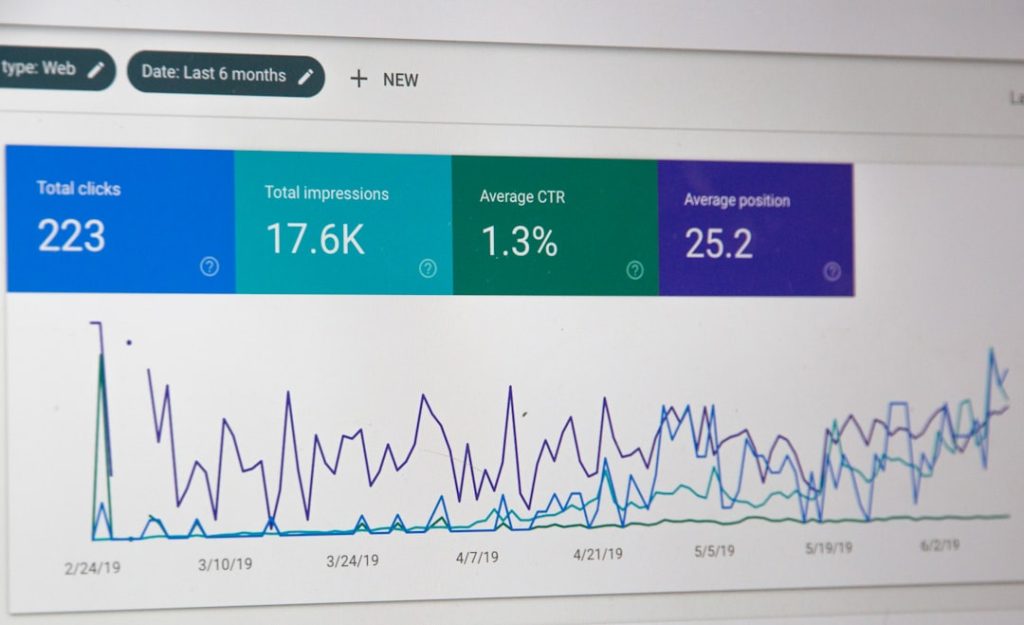
In an era where data is abundant, implementing data-driven strategies is crucial for optimizing marketing efforts. By analyzing consumer behavior data, businesses can gain insights into what works and what doesn’t in their campaigns. Tools like Google Analytics provide valuable metrics on website traffic, user engagement, and conversion rates, allowing marketers to make informed decisions based on real-time data.
For instance, if a particular email campaign shows low open rates, marketers can experiment with different subject lines or send times to improve performance. Moreover, A/B testing is an effective method for refining marketing strategies based on data analysis. By comparing two versions of an ad or landing page to see which performs better, businesses can make evidence-based adjustments that enhance overall effectiveness.
For example, an e-commerce site might test two different product descriptions to determine which one leads to higher sales conversions. This iterative approach not only improves campaign performance but also fosters a culture of continuous improvement within the marketing team.
Building Strategic Partnerships

Strategic partnerships can significantly enhance a brand’s reach and credibility in the marketplace. Collaborating with other businesses or influencers allows brands to tap into new audiences while sharing resources and expertise. For instance, a skincare brand might partner with a popular beauty influencer to co-create content that showcases its products in use.
This collaboration not only introduces the brand to the influencer’s followers but also lends credibility through the influencer’s endorsement. Additionally, partnerships can extend beyond influencer collaborations to include co-marketing initiatives with complementary brands. For example, a fitness apparel company might team up with a health food brand to create bundled promotions or joint events that appeal to health-conscious consumers.
Such partnerships can amplify marketing efforts by combining audiences and resources while creating added value for customers through unique offerings.
Incorporating Personalized Communication
Personalization has become a cornerstone of effective marketing strategies as consumers increasingly expect tailored experiences from brands. By utilizing customer data to inform communication strategies, businesses can create personalized messages that resonate on an individual level. For instance, email marketing campaigns that address recipients by name and recommend products based on past purchases can significantly enhance engagement rates.
A study by Epsilon found that personalized emails have an average open rate of 29%, compared to 20% for non-personalized emails. Furthermore, personalized communication extends beyond email marketing; it encompasses all touchpoints along the customer journey. Brands can utilize retargeting ads that display products previously viewed by users or send personalized recommendations through mobile apps based on user behavior.
This level of customization not only improves customer satisfaction but also drives conversions by making it easier for consumers to find products that meet their specific needs.
Measuring and Analyzing Campaign Performance
To ensure ongoing success in marketing efforts, measuring and analyzing campaign performance is essential. Key performance indicators (KPIs) such as conversion rates, click-through rates (CTR), return on investment (ROI), and customer acquisition costs provide valuable insights into how well campaigns are performing against set objectives. By regularly reviewing these metrics, marketers can identify trends and areas for improvement.
For example, if a social media campaign is generating high engagement but low conversion rates, it may indicate that while the content is resonating with the audience, there may be barriers preventing them from completing purchases—such as complicated checkout processes or unclear calls-to-action. By addressing these issues based on performance data, businesses can refine their strategies to enhance overall effectiveness and drive better results over time. In conclusion, understanding the target audience is foundational for effective marketing strategies that leverage digital platforms and compelling content while utilizing social media engagement and data-driven approaches.
Building strategic partnerships and incorporating personalized communication further enhance these efforts while measuring campaign performance ensures continuous improvement in achieving marketing goals.
