

The integration of technology into education has fundamentally transformed the landscape of learning and teaching. From the introduction of personal computers in classrooms to the proliferation of mobile devices and the internet, technology has reshaped how knowledge is disseminated and acquired. One of the most significant impacts has been the democratization of access to information.
Students no longer rely solely on textbooks or lectures; they can access a wealth of resources online, including academic journals, educational videos, and interactive simulations. This shift has empowered learners to take charge of their education, fostering a culture of self-directed learning. Moreover, technology has facilitated personalized learning experiences.

Adaptive learning technologies analyze individual student performance and tailor educational content to meet their specific needs. For instance, platforms like Khan Academy and DreamBox Learning utilize algorithms to adjust the difficulty of exercises based on a student’s progress, ensuring that learners are neither bored with material that is too easy nor overwhelmed by content that is too challenging. This level of customization not only enhances engagement but also promotes mastery of subjects, as students can work at their own pace and revisit concepts as needed.
Key Takeaways
- Technology is transforming education by enhancing accessibility and personalized learning experiences.
- Online learning platforms play a crucial role in expanding educational opportunities globally.
- Developing soft skills is increasingly important alongside technical knowledge in modern education.
- Traditional education institutions must adapt to evolving technologies and learner needs to remain relevant.
- Data and analytics are essential for improving educational outcomes and tailoring instruction to individual students.
The Role of Online Learning Platforms

Online learning platforms have emerged as pivotal players in the educational ecosystem, particularly in the wake of the COVID-19 pandemic, which necessitated a rapid shift to remote learning. These platforms, such as Coursera, edX, and Udacity, offer a diverse array of courses that cater to various interests and skill levels. They provide opportunities for learners to engage with content from prestigious institutions and industry leaders without the constraints of geographical location or traditional classroom settings.
This accessibility has opened doors for individuals who may have previously faced barriers to education, such as those in remote areas or those balancing work and family commitments. Furthermore, online learning platforms often incorporate innovative teaching methods that enhance the learning experience. Many utilize multimedia elements—such as videos, podcasts, and interactive quizzes—to cater to different learning styles.
For example, a course on data science might include video lectures from experts in the field, hands-on coding exercises, and discussion forums where students can collaborate and share insights. This blend of resources not only enriches the educational experience but also fosters a sense of community among learners who may never meet in person. As these platforms continue to evolve, they are likely to play an increasingly central role in shaping how education is delivered and experienced.
The Importance of Soft Skills in Education

In an era where technical skills are often prioritized, the importance of soft skills in education cannot be overstated. Soft skills—such as communication, teamwork, problem-solving, and emotional intelligence—are essential for success in both personal and professional realms. Employers increasingly seek candidates who possess these attributes, recognizing that technical expertise alone is insufficient in a collaborative work environment.
As a result, educational institutions are beginning to place greater emphasis on cultivating these skills alongside traditional academic knowledge. Integrating soft skills into the curriculum can take various forms. For instance, project-based learning encourages students to work collaboratively on real-world problems, fostering teamwork and communication skills.
Additionally, programs that incorporate public speaking or debate can enhance students’ ability to articulate their thoughts clearly and confidently. Schools are also recognizing the value of social-emotional learning (SEL) programs that teach students how to manage their emotions, set goals, and develop empathy for others. By prioritizing soft skills development, educational institutions can better prepare students for the complexities of modern workplaces and interpersonal relationships.
The Future of Traditional Education Institutions
| Metric | Current Status | Projected Change (Next 10 Years) | Impact on Traditional Education Institutions |
|---|---|---|---|
| Student Enrollment in Traditional Schools | Stable with slight growth | Decline by 10-15% | Potential decrease in campus population; need for adaptation |
| Online Learning Adoption | Approximately 30% of courses offered online | Increase to 60-70% | Hybrid models become mainstream; increased digital infrastructure |
| Use of Artificial Intelligence in Education | Minimal integration | Widespread adoption for personalized learning | Enhanced student engagement and tailored curricula |
| Funding for Traditional Institutions | Moderate and stable | Potential decrease by 5-10% | Need for diversified revenue streams and cost optimization |
| Teacher-to-Student Ratio | 1:20 on average | Improvement to 1:15 with technology support | More personalized attention through blended learning |
| Focus on Skill-Based Learning | Emerging trend | Mainstream integration in curricula | Shift from theoretical to practical education |
| Global Collaboration Between Institutions | Limited partnerships | Significant increase in joint programs and exchanges | Broader cultural exposure and resource sharing |
As technology continues to advance and alternative educational models gain traction, traditional education institutions face significant challenges in adapting to this evolving landscape. While many universities and colleges have begun to incorporate online courses and hybrid models into their offerings, there remains a tension between maintaining traditional pedagogical approaches and embracing innovative practices. The future may see a reimagining of what constitutes a “traditional” education experience, with institutions needing to balance their historical legacies with the demands of contemporary learners.
One potential direction for traditional institutions is the development of more flexible learning environments that accommodate diverse student needs. This could involve rethinking classroom layouts to facilitate collaboration or offering more evening and weekend classes to cater to working adults. Additionally, partnerships with online learning platforms could allow institutions to expand their reach and provide students with access to a broader range of courses and resources.
By embracing change rather than resisting it, traditional education institutions can remain relevant and continue to fulfill their mission of providing quality education in an increasingly competitive landscape.
The Role of Data and Analytics in Education
Data and analytics have become integral components of modern education systems, offering valuable insights that can inform teaching practices and improve student outcomes. By collecting and analyzing data on student performance, attendance, and engagement levels, educators can identify trends and patterns that may indicate areas for intervention or support. For example, learning management systems (LMS) can track how often students log in to access course materials or participate in discussions, allowing instructors to gauge engagement levels and adjust their teaching strategies accordingly.
Moreover, predictive analytics can play a crucial role in identifying at-risk students before they fall behind. By analyzing historical data on student performance, institutions can develop models that predict which students may struggle based on various factors such as attendance patterns or grades in prerequisite courses. This proactive approach enables educators to provide targeted support—such as tutoring or mentoring—before issues escalate into larger academic challenges.
As educational institutions increasingly harness the power of data analytics, they can create more responsive and effective learning environments that cater to individual student needs.
The Rise of Lifelong Learning
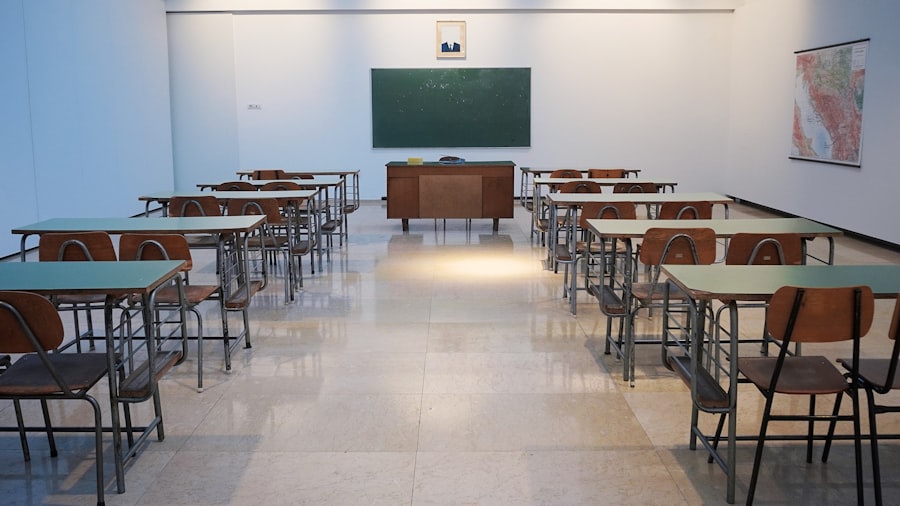
The concept of lifelong learning has gained prominence in recent years as individuals recognize the need to continuously update their skills in an ever-changing job market. With rapid advancements in technology and shifts in industry demands, the notion that education is confined to childhood or young adulthood is becoming obsolete. Instead, lifelong learning emphasizes the importance of ongoing education throughout one’s life—whether through formal courses, workshops, or self-directed study.
This shift has significant implications for both individuals and educational institutions. For individuals, embracing lifelong learning fosters adaptability and resilience in the face of change. It encourages a growth mindset where learners view challenges as opportunities for development rather than obstacles.
Educational institutions are responding by offering more flexible options for adult learners, such as online courses or micro-credentialing programs that allow individuals to acquire specific skills without committing to a full degree program. As lifelong learning becomes increasingly essential for career advancement and personal fulfillment, both learners and educators must embrace this paradigm shift.
The Future of Work and Education
The relationship between work and education is evolving rapidly as industries adapt to technological advancements and changing workforce needs. In many sectors, employers are placing greater emphasis on skills rather than formal degrees when evaluating candidates. This shift has prompted educational institutions to reconsider how they prepare students for the workforce.
Programs that emphasize experiential learning—such as internships, co-ops, or service-learning projects—are becoming more prevalent as they provide students with practical experience that enhances their employability. Additionally, collaboration between educational institutions and industry partners is becoming increasingly important. By working together, educators can gain insights into the specific skills and competencies that employers seek in graduates.
This collaboration can take various forms, including curriculum development initiatives or guest lectures from industry professionals who share real-world experiences with students. As the future of work continues to evolve, educational institutions must remain agile and responsive to ensure that graduates are equipped with the skills necessary for success in their chosen fields.
The Role of Government in Shaping the Future of Education
Government policy plays a crucial role in shaping the future of education by establishing frameworks that guide funding, curriculum standards, and access to resources. Policymakers have the opportunity to create equitable educational systems that address disparities in access and quality across different regions and demographics. For instance, initiatives aimed at increasing funding for under-resourced schools can help bridge the gap between affluent and disadvantaged communities.
Moreover, government support for innovative educational models—such as charter schools or online learning initiatives—can foster experimentation and adaptation within the education system. By investing in research on effective teaching practices or providing incentives for institutions that prioritize soft skills development, governments can encourage a more holistic approach to education that prepares students for the complexities of modern life. As society continues to grapple with rapid changes brought about by technology and globalization, proactive government involvement will be essential in ensuring that education remains relevant and accessible for all learners.