

Marketing is a multifaceted discipline that encompasses a variety of strategies and techniques aimed at promoting products or services to potential customers. At its core, marketing involves understanding consumer needs and desires, creating value, and effectively communicating that value to the target audience. The fundamental principles of marketing revolve around the four Ps: Product, Price, Place, and Promotion.
Each of these elements plays a crucial role in shaping a marketing strategy that resonates with consumers and drives sales. The product refers to what a business offers to meet the needs of its customers. This could be a tangible item, such as electronics or clothing, or an intangible service, like consulting or education.

Price involves determining the right price point that reflects the perceived value of the product while remaining competitive in the market. Place pertains to the distribution channels through which the product reaches consumers, whether it be physical stores, online platforms, or a combination of both. Finally, promotion encompasses the various methods used to communicate with potential customers, including advertising, public relations, and social media outreach.
Understanding these foundational elements is essential for any marketer looking to create effective campaigns.
Key Takeaways
- Grasp fundamental marketing principles to build effective strategies.
- Use social media platforms to reach and engage target audiences.
- Create compelling content tailored to each social media channel.
- Analyze data to track performance and optimize marketing efforts.
- Collaborate with influencers and use paid ads to enhance brand visibility.

Leveraging Social Media Platforms for Marketing
In recent years, social media has emerged as a powerful tool for marketers seeking to connect with their audiences. Platforms such as Facebook, Instagram, Twitter, and LinkedIn offer unique opportunities for businesses to engage with consumers in real-time. The interactive nature of social media allows brands to foster relationships with their customers, gather feedback, and create a sense of community around their products or services.
By leveraging these platforms effectively, businesses can enhance their visibility and reach a broader audience. Each social media platform has its own distinct characteristics and user demographics, making it essential for marketers to tailor their strategies accordingly. For instance, Instagram is highly visual and appeals to younger audiences, making it ideal for brands in fashion, beauty, and lifestyle sectors.
On the other hand, LinkedIn is more suited for B2B marketing and professional networking. Understanding the nuances of each platform enables marketers to craft targeted campaigns that resonate with specific segments of their audience. Additionally, social media allows for real-time engagement, enabling brands to respond promptly to customer inquiries and comments, thereby enhancing customer satisfaction and loyalty.
Creating Engaging Content for Social Media

Content is at the heart of any successful social media marketing strategy. Engaging content not only captures the attention of users but also encourages them to interact with the brand. This can take various forms, including images, videos, infographics, blog posts, and live streams.
The key to creating compelling content lies in understanding the preferences and interests of the target audience. Marketers must strive to produce content that is not only informative but also entertaining and relatable. Visual content tends to perform exceptionally well on social media platforms.
For example, Instagram posts featuring high-quality images or videos can significantly increase engagement rates compared to text-only posts. Brands can also utilize storytelling techniques to create a narrative around their products or services, making them more relatable to consumers. User-generated content is another effective strategy; by encouraging customers to share their experiences with a brand’s products, businesses can build authenticity and trust.
Ultimately, the goal is to create content that resonates with the audience and encourages them to share it within their own networks.
Utilizing Analytics to Measure Marketing Success
| Metric | Description | Purpose | Common Tools | Example Value |
|---|---|---|---|---|
| Conversion Rate | Percentage of visitors who complete a desired action | Measure effectiveness of campaigns in driving actions | Google Analytics, HubSpot | 3.5% |
| Customer Acquisition Cost (CAC) | Average cost to acquire a new customer | Evaluate marketing spend efficiency | Salesforce, Marketo | 120 |
| Return on Investment (ROI) | Ratio of net profit to marketing investment | Assess profitability of marketing efforts | Google Analytics, Excel | 150% |
| Click-Through Rate (CTR) | Percentage of users who click on a link or ad | Measure engagement and ad effectiveness | Google Ads, Facebook Ads Manager | 2.1% |
| Customer Lifetime Value (CLV) | Projected revenue from a customer over their lifetime | Understand long-term value of customers | CRM systems, Excel | 850 |
| Bounce Rate | Percentage of visitors who leave after viewing one page | Identify issues with landing pages or content | Google Analytics | 45% |
| Social Media Engagement | Interactions such as likes, shares, comments | Gauge audience interest and content resonance | Hootsuite, Sprout Social | 1,200 interactions |
| Lead Generation | Number of qualified leads generated | Track effectiveness of lead capture efforts | HubSpot, Pardot | 350 leads |
In the digital age, data-driven decision-making has become paramount in marketing. Utilizing analytics tools allows marketers to measure the effectiveness of their campaigns and gain insights into consumer behavior. By tracking key performance indicators (KPIs) such as engagement rates, click-through rates, conversion rates, and return on investment (ROI), businesses can assess what strategies are working and which need adjustment.
Social media platforms provide built-in analytics tools that offer valuable data about audience demographics, engagement patterns, and content performance. For instance, Facebook Insights allows marketers to see how their posts are performing in terms of reach and engagement, while Instagram Analytics provides information on follower growth and interaction rates. By analyzing this data, marketers can refine their strategies, optimize content for better performance, and ultimately drive more successful campaigns.
Furthermore, A/B testing different approaches can help identify which elements resonate most with the audience, allowing for continuous improvement in marketing efforts.
Building a Strong Brand Presence on Social Media
Establishing a strong brand presence on social media is crucial for businesses looking to differentiate themselves in a crowded marketplace. A well-defined brand identity helps consumers recognize and connect with a brand on an emotional level. This involves creating a consistent visual aesthetic across all platforms, including logos, color schemes, and typography.
Additionally, the tone of voice used in social media communications should align with the brand’s values and personality. Engagement is key to building a robust brand presence. Brands should actively participate in conversations with their audience by responding to comments and messages promptly.
Hosting live Q&A sessions or interactive polls can also foster engagement and make followers feel valued. Moreover, collaborating with other brands or influencers can expand reach and introduce the brand to new audiences. By consistently delivering value and maintaining an authentic presence on social media, businesses can cultivate loyalty among their followers and establish themselves as industry leaders.
Implementing Paid Advertising Strategies
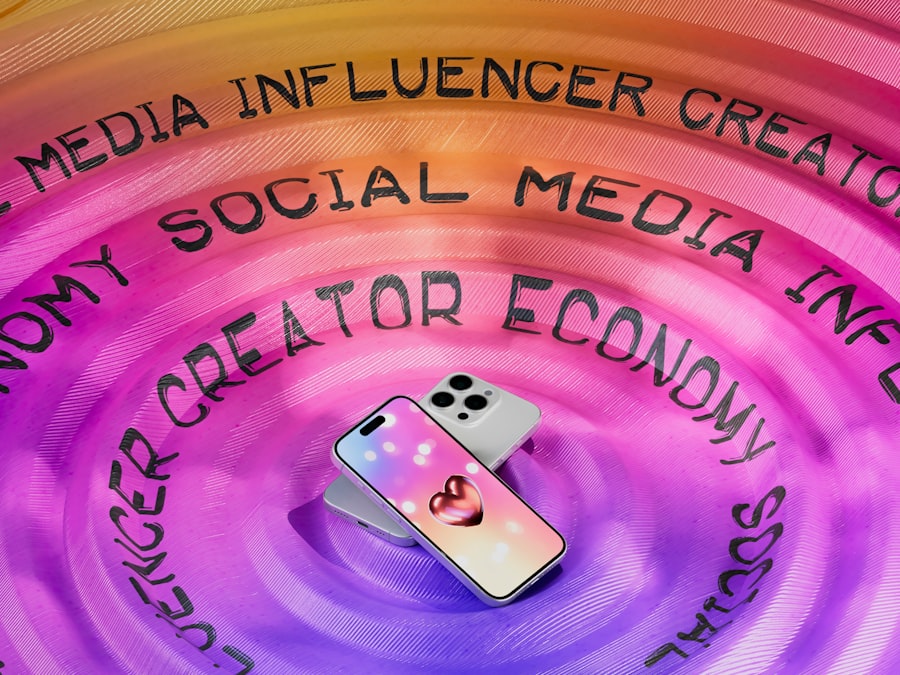
While organic reach on social media is valuable, paid advertising can significantly amplify a brand’s visibility and drive targeted traffic to its offerings. Social media platforms offer various advertising options that allow businesses to reach specific demographics based on interests, behaviors, location, and more. For instance, Facebook Ads Manager provides tools for creating highly targeted ad campaigns that can be tailored to meet specific marketing objectives.
Paid advertising can take many forms, including sponsored posts, carousel ads showcasing multiple products, or video ads that tell a compelling story about the brand. Retargeting ads are particularly effective; they allow businesses to re-engage users who have previously interacted with their website or social media profiles but did not convert into customers. By strategically investing in paid advertising campaigns, brands can enhance their reach and drive conversions more effectively than relying solely on organic methods.
Developing a Social Media Marketing Plan
A well-structured social media marketing plan serves as a roadmap for achieving marketing objectives and ensuring consistency across all platforms. This plan should begin with defining clear goals—whether it’s increasing brand awareness, driving website traffic, or generating leads—and identifying key performance indicators (KPIs) that will measure success. Understanding the target audience is also critical; marketers should conduct thorough research to identify demographics, preferences, and pain points.
Once goals are established, marketers should outline specific strategies for content creation and distribution. This includes determining the types of content that will be shared (e.g., educational articles, promotional posts), establishing a posting schedule for consistency, and selecting appropriate platforms based on audience behavior. Additionally, incorporating flexibility into the plan allows marketers to adapt to changing trends or unexpected events in real-time.
Regularly reviewing performance metrics will enable continuous optimization of the strategy based on what resonates most with the audience.
Mastering Influencer Marketing Strategies
Influencer marketing has gained significant traction as brands seek authentic ways to connect with consumers through trusted voices in their respective niches. Collaborating with influencers allows businesses to tap into established audiences who are more likely to engage with recommendations from individuals they admire or follow. The key lies in selecting influencers whose values align with the brand’s mission and whose audience matches the target demographic.
Effective influencer marketing strategies involve more than just paying for posts; they require building genuine relationships with influencers who can authentically represent the brand. This may include providing influencers with free products for review or inviting them to exclusive events where they can experience the brand firsthand. Additionally, co-creating content with influencers can lead to innovative campaigns that resonate deeply with audiences.
By leveraging influencer partnerships strategically, brands can enhance credibility and reach new customers in an increasingly competitive landscape. In conclusion, mastering the art of marketing in today’s digital landscape requires a comprehensive understanding of various strategies and tools available at marketers’ disposal. From leveraging social media platforms effectively to utilizing analytics for measuring success and building strong brand identities through engaging content—each element plays a vital role in crafting successful marketing campaigns that resonate with consumers across diverse channels.